Medicinal Plants for Health and Natural Beauty
Medicinal Plants for Health and Natural Beauty
Medicinal plants for health have been used for centuries to support the body, prevent illness, and restore natural balance. Long before modern medicine, communities relied on herbal remedies prepared from leaves, roots, seeds, and flowers.
Today, interest in medicinal plants is growing again. Many people are seeking natural solutions that work with the body rather than against it. In this tradition, women have played a central role - growing herbs, preparing remedies, and passing botanical knowledge from one generation to the next.
Understanding how medicinal plants support health helps us appreciate both their healing benefits and their role in natural beauty care.
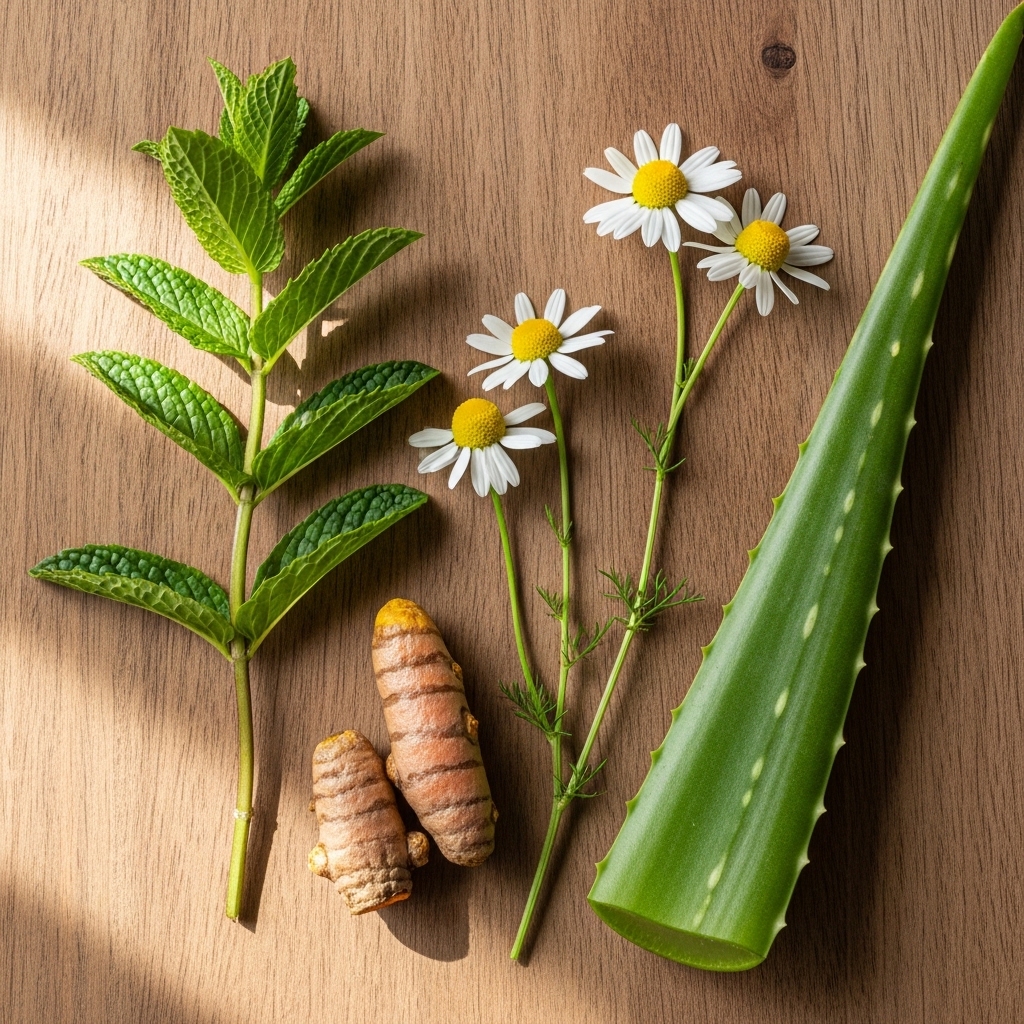 Fresh mint chamomile turmeric and aloe vera
The Power of Medicinal Plants for Health
Medicinal plants work with the body rather than against it. Instead of targeting only symptoms, many herbs support overall balance and long-term wellness.
Immune Support and Disease Prevention
Many medicinal plants strengthen the body’s natural defense system. Herbs rich in antioxidants and anti-inflammatory compounds help the immune system respond effectively to infections and environmental stress.
Plants such as ginger, turmeric, and echinacea have traditionally been used to reduce inflammation and support recovery during seasonal illness. Regular use of immune-supporting herbs may help the body build resilience over time.
Digestive Health and Internal Balance
Good health begins in the digestive system. Medicinal plants such as mint, chamomile, and fennel have long been used to soothe the stomach, reduce bloating, and improve nutrient absorption.
By calming inflammation in the digestive tract and supporting beneficial gut bacteria, herbal remedies promote internal balance. When digestion functions properly, energy levels, immunity, and skin clarity often improve as well.
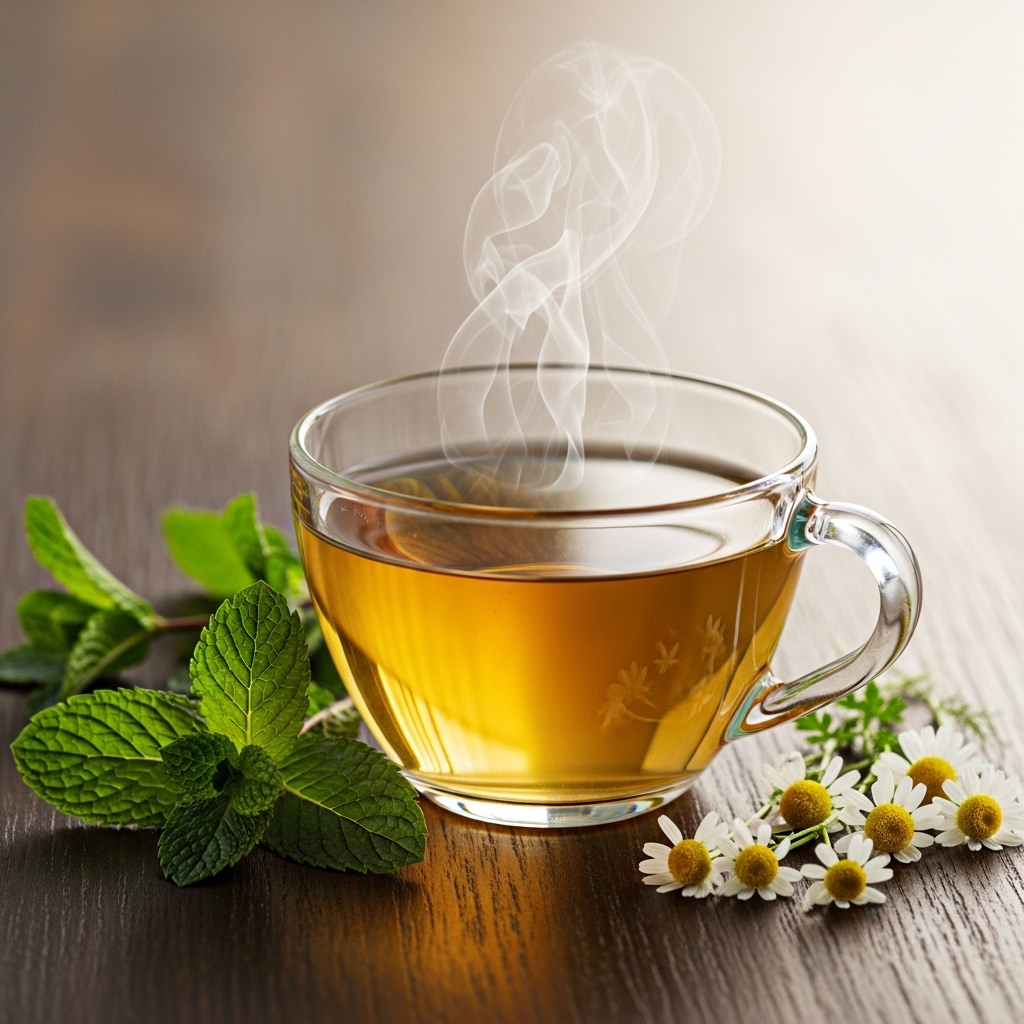 Mint and chamomile herbal tea
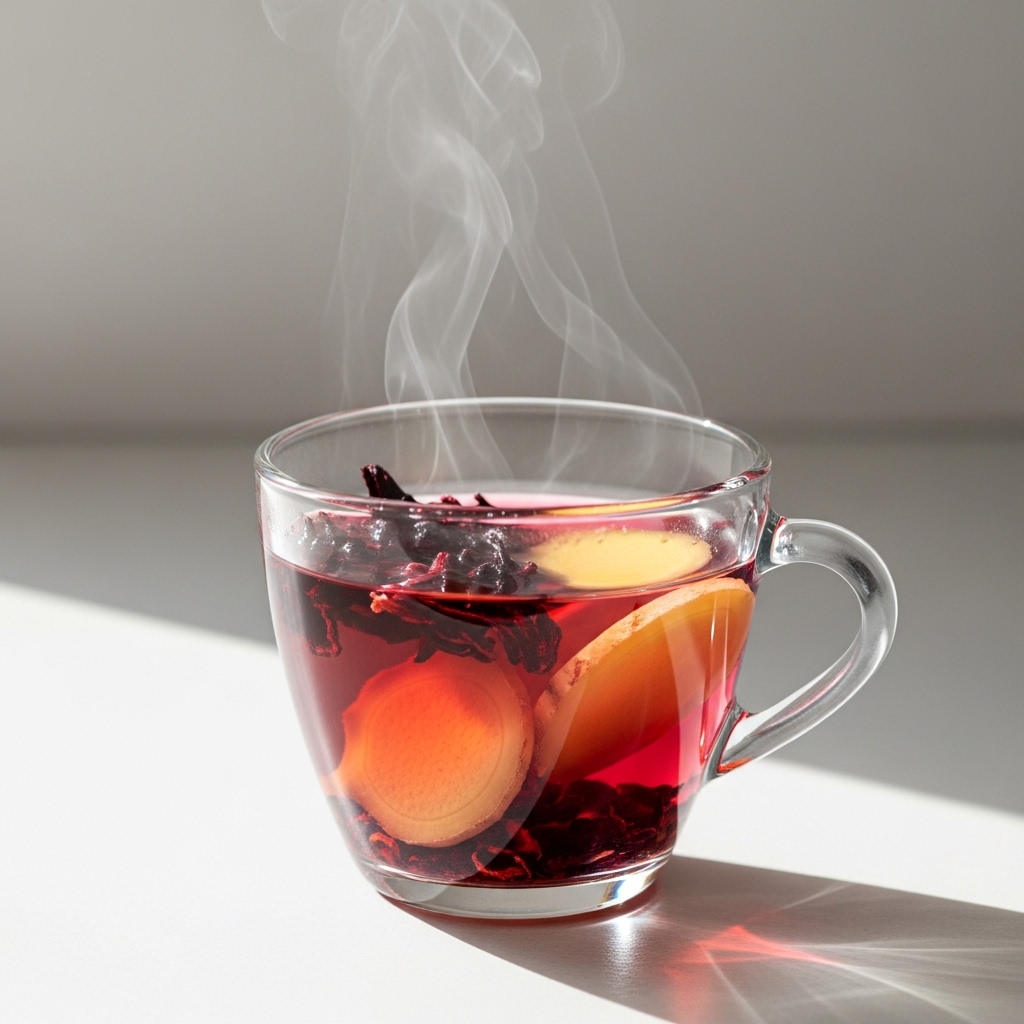 Hibiscus and ginger herbal tea
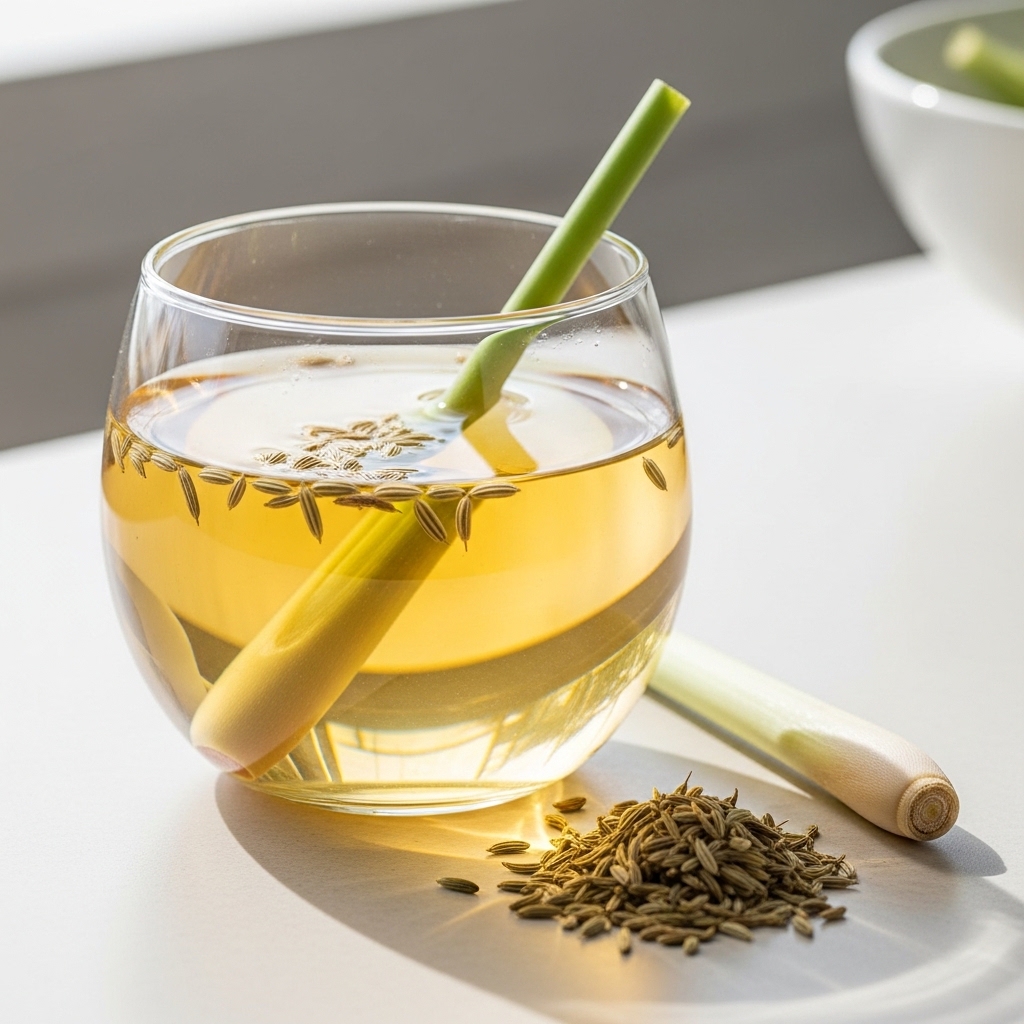 Fennel and lemongrass herbal tea
Anti-Inflammatory and Healing Properties
Chronic inflammation is linked to many modern health concerns. Medicinal plants contain natural compounds that reduce inflammation and protect cells from oxidative damage.
Aloe vera, calendula, and turmeric are widely used for both internal and external healing. These plants assist in tissue repair, wound healing, and soothing irritated skin. Their gentle yet effective properties make them suitable for long-term wellness practices.
Support for Women’s Reproductive Health
Throughout history, women have relied on medicinal plants to regulate menstrual cycles, ease cramps, and support fertility and postpartum recovery.
Herbal teas and tonics prepared at home helped maintain hormonal balance and strengthen the body during pregnancy and childbirth. In many traditional societies, elder women acted as midwives and herbal specialists, preserving botanical knowledge specifically related to women’s health.
The Role of Women in Herbal Traditions
The story of medicinal plants for health cannot be separated from the story of women. Across cultures, women have been healers, caregivers, and knowledge keepers.
Women as Healers and Caregivers
Within families and communities, women were often the first to respond to illness. They prepared herbal infusions, poultices, and decoctions using plants grown in home gardens or gathered from nearby forests.
This daily practice created deep botanical knowledge rooted in observation and experience.
Passing Down Herbal Knowledge
Herbal medicine was traditionally taught through oral transmission. Mothers and grandmothers showed younger generations how to identify plants, harvest them responsibly, and prepare remedies safely.
This intergenerational knowledge ensured continuity of community health practices and preserved ecological awareness.
Sustainable Cultivation and Preparation
Women were also responsible for drying herbs, storing seeds, and ensuring that harvesting practices did not damage plant populations. Their relationship with the land was often guided by respect and sustainability.
Today, many women continue this work through community herbal cooperatives and small-scale natural product production.
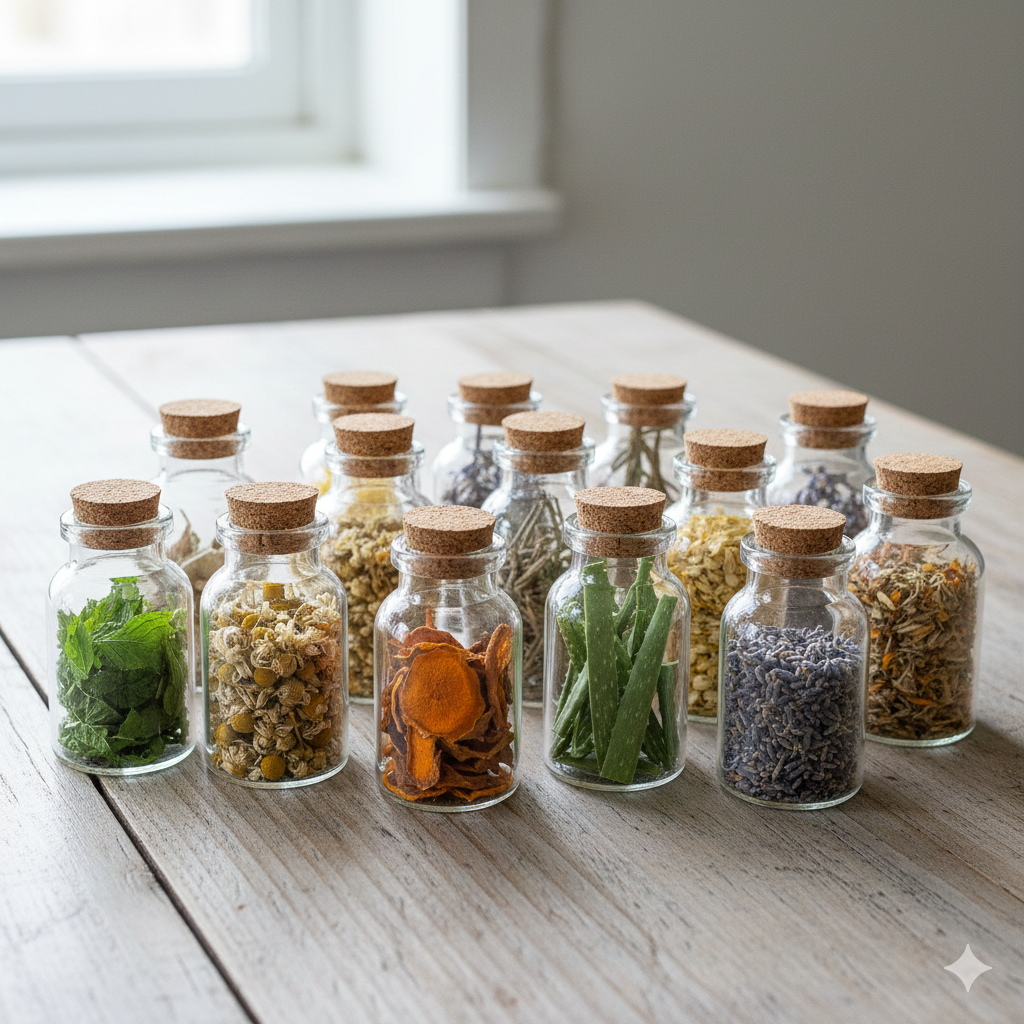 Dried Herbs
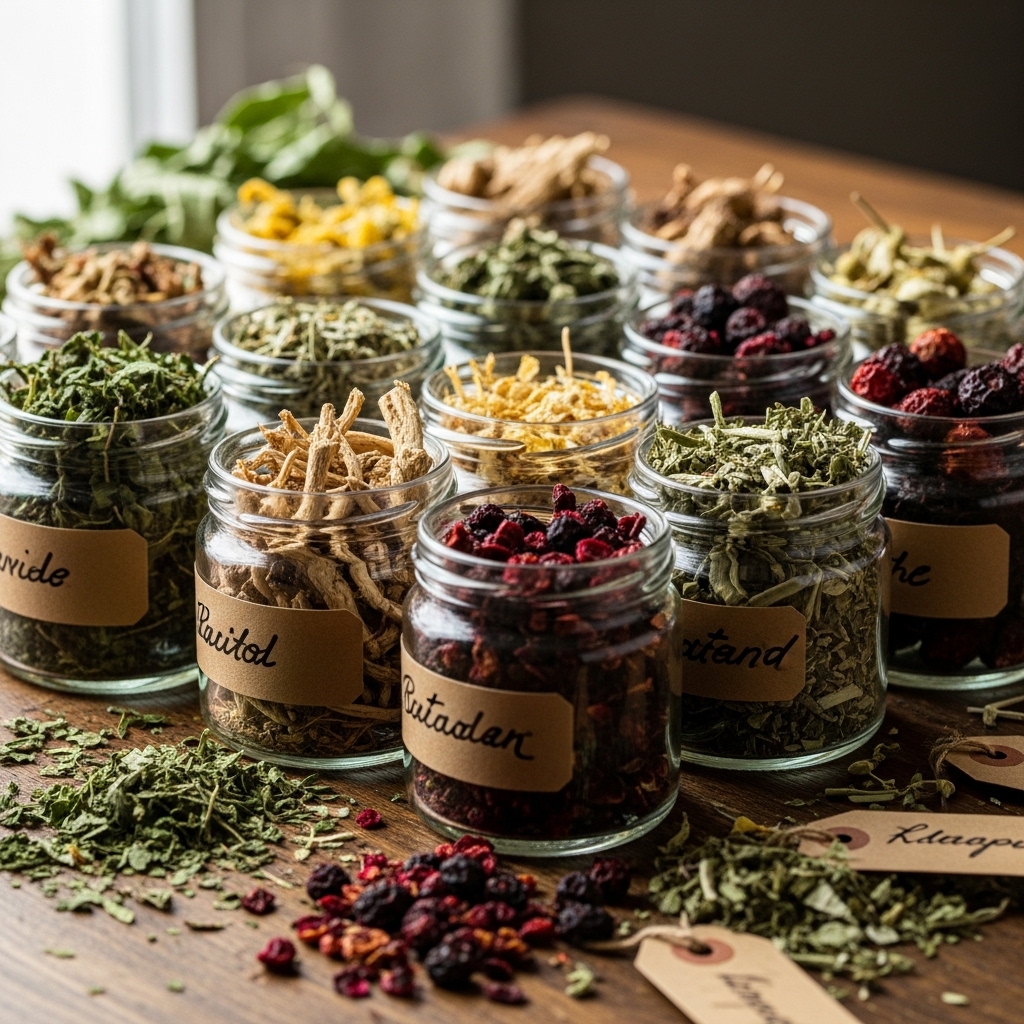 Dried Herbs
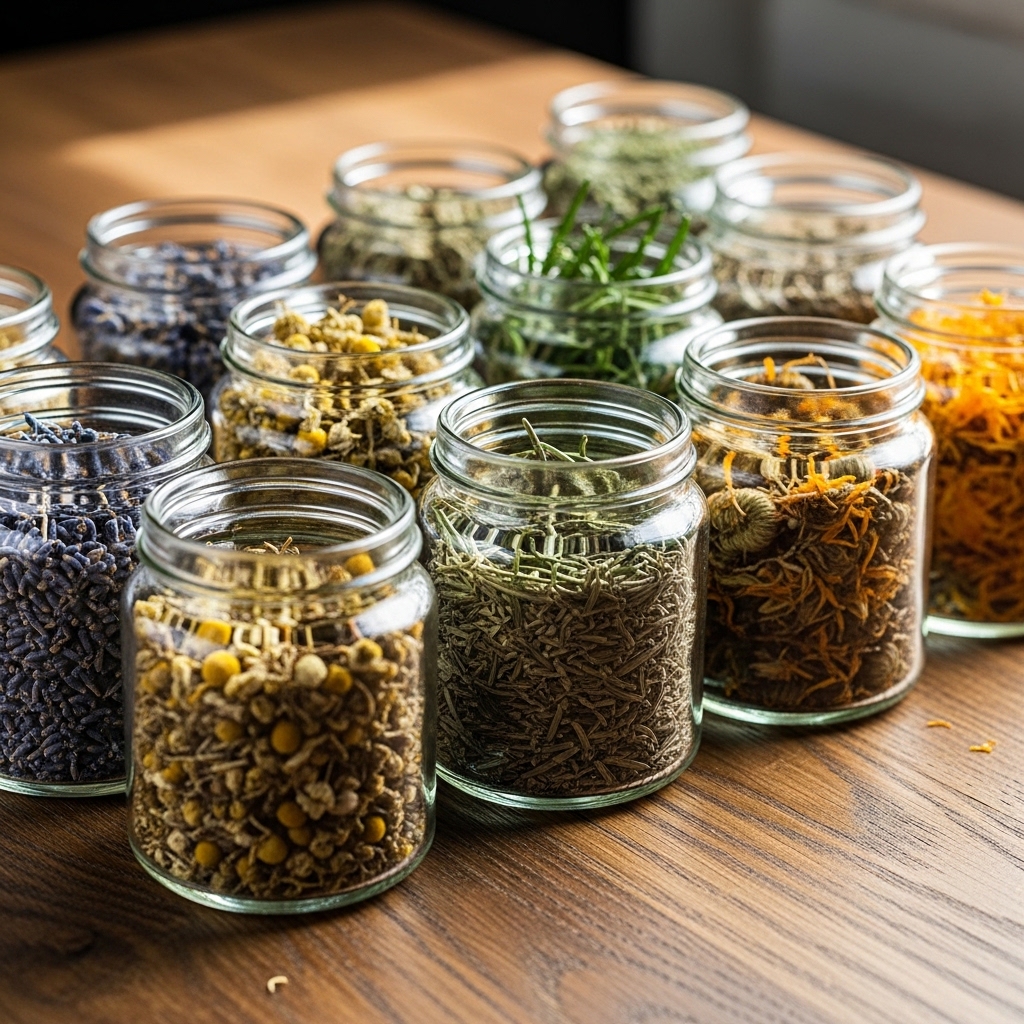 Dried Herbs
Medicinal Plants in Beauty Care
Health and beauty are deeply connected. When the body is balanced internally, it reflects externally through clear skin and strong hair. For this reason, medicinal plants used for health naturally extend into beauty care.
Hair Care: Strength and Growth
Herbal oils and plant infusions have been used for centuries to nourish the scalp and strengthen hair follicles. Plants rich in vitamins, minerals, and antioxidants help improve circulation to the scalp and reduce inflammation that may contribute to hair thinning.
Infused oils made from hibiscus, amla, aloe vera, and neem are traditionally massaged into the scalp to support hair growth, reduce dandruff, and improve shine. These preparations are typically handmade, often by women, using slow infusion methods that preserve plant nutrients.
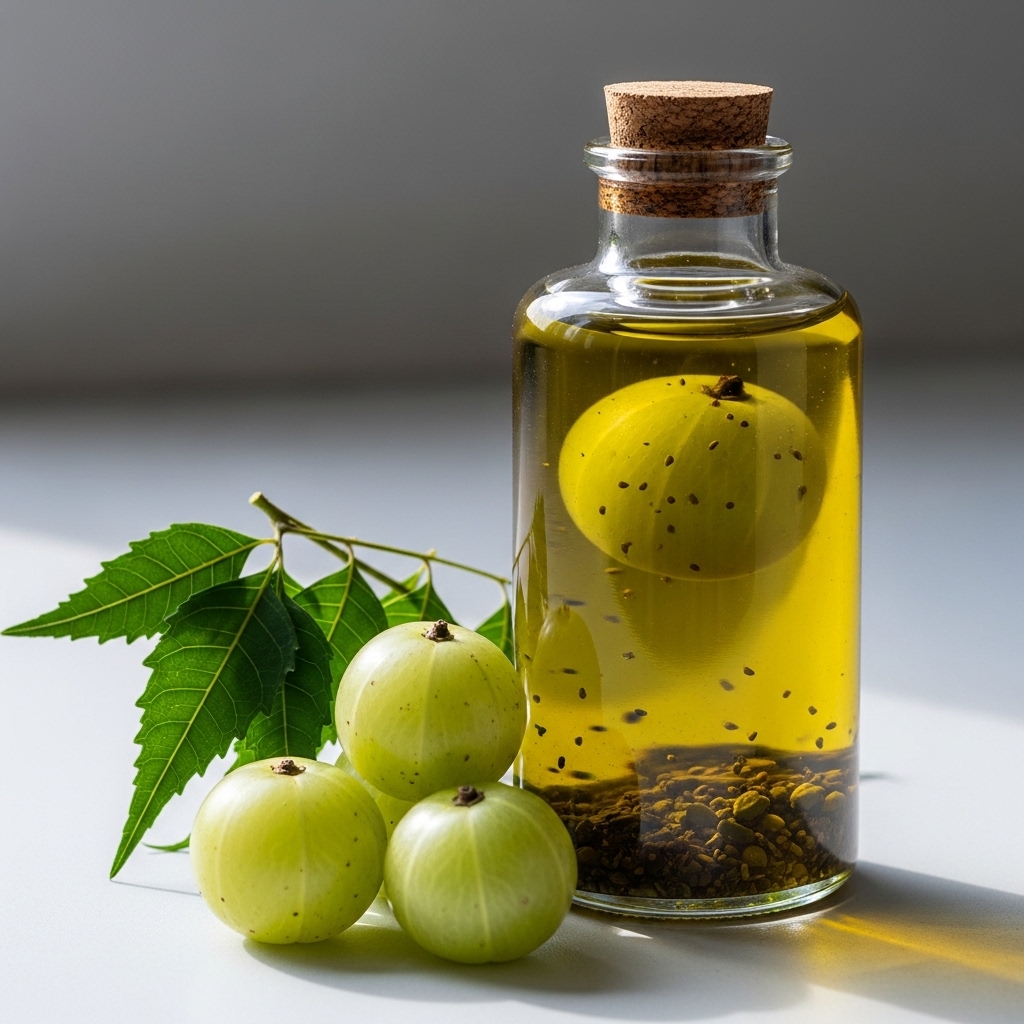 Amla and neem herbal hair oil
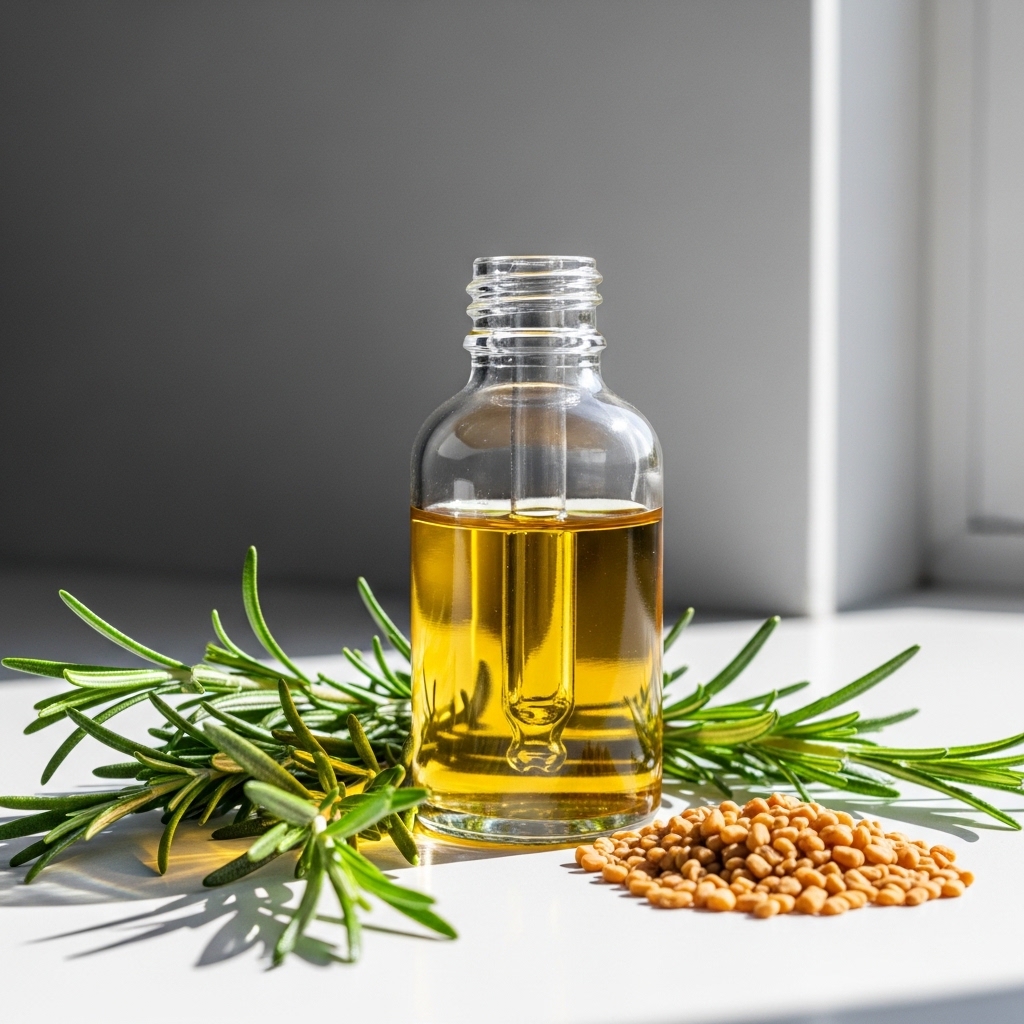 Rosemary and fenugreek hair oil
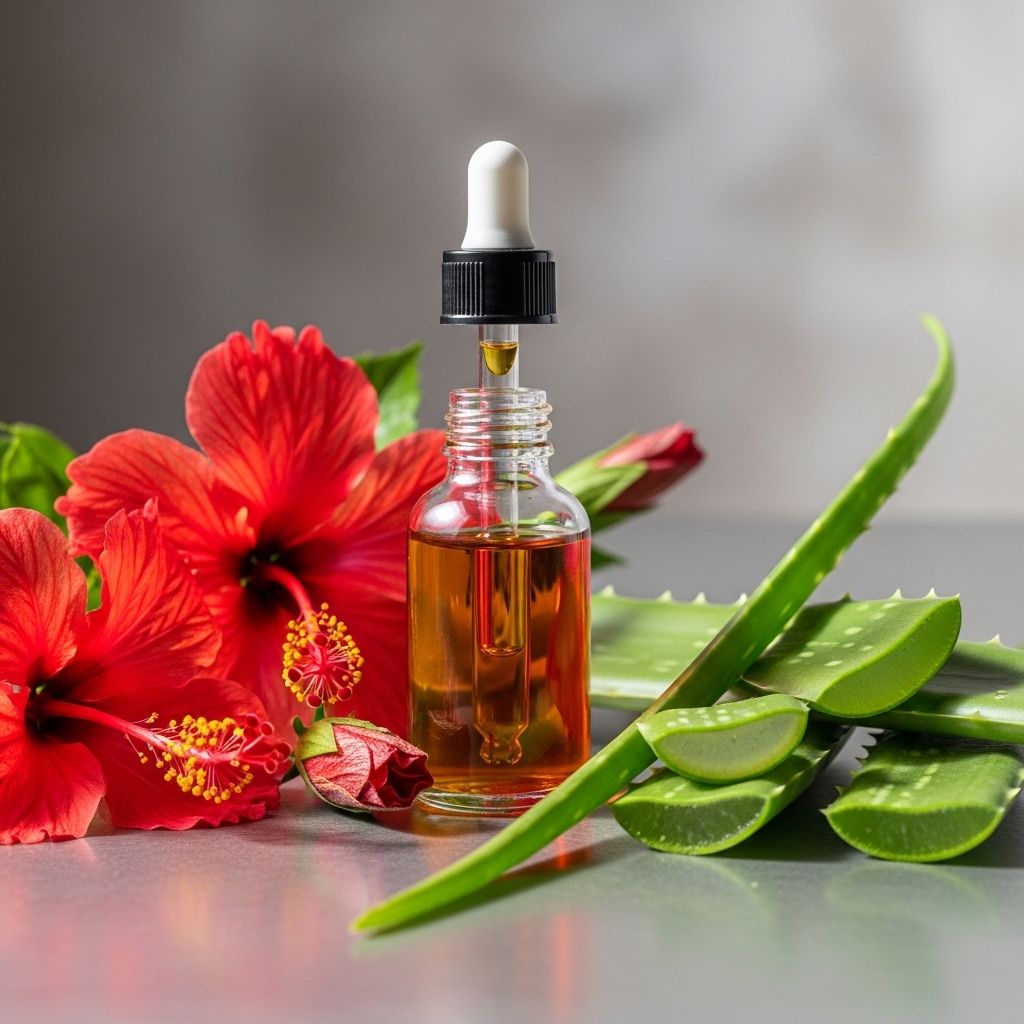 Herbal hair oil with hibiscus and aloe
Skin Care: Protection and Hydration
Many medicinal plants contain natural antimicrobial and soothing compounds that protect and repair the skin. Herbal masks, floral waters, and plant-based salves help maintain hydration and calm irritation.
Turmeric is valued for its brightening and anti-inflammatory properties. Aloe vera hydrates and cools the skin, while calendula supports healing and reduces redness. Rose water tones and refreshes the complexion.
These simple, plant-based preparations demonstrate how beauty rituals evolved directly from health practices.
 Woman with turmeric face mask
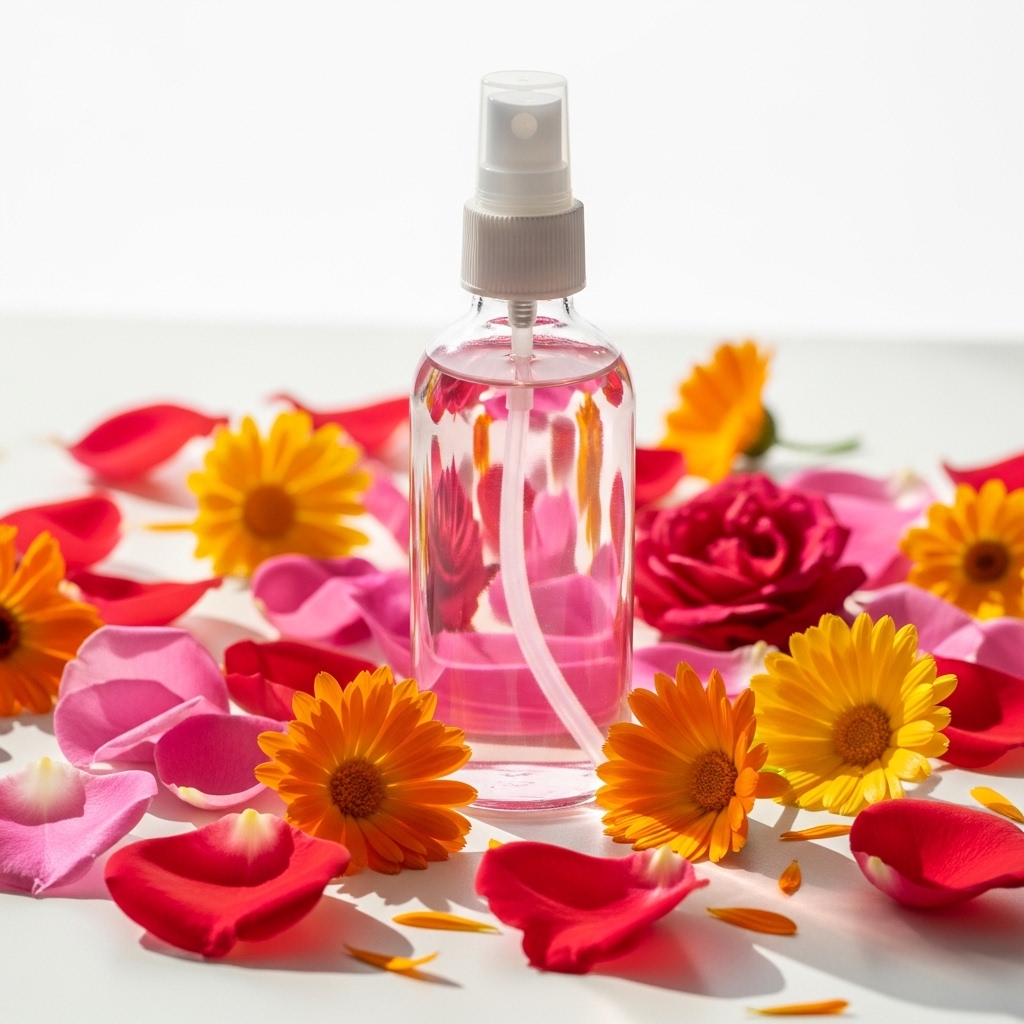 Rose water bottle with fresh petals
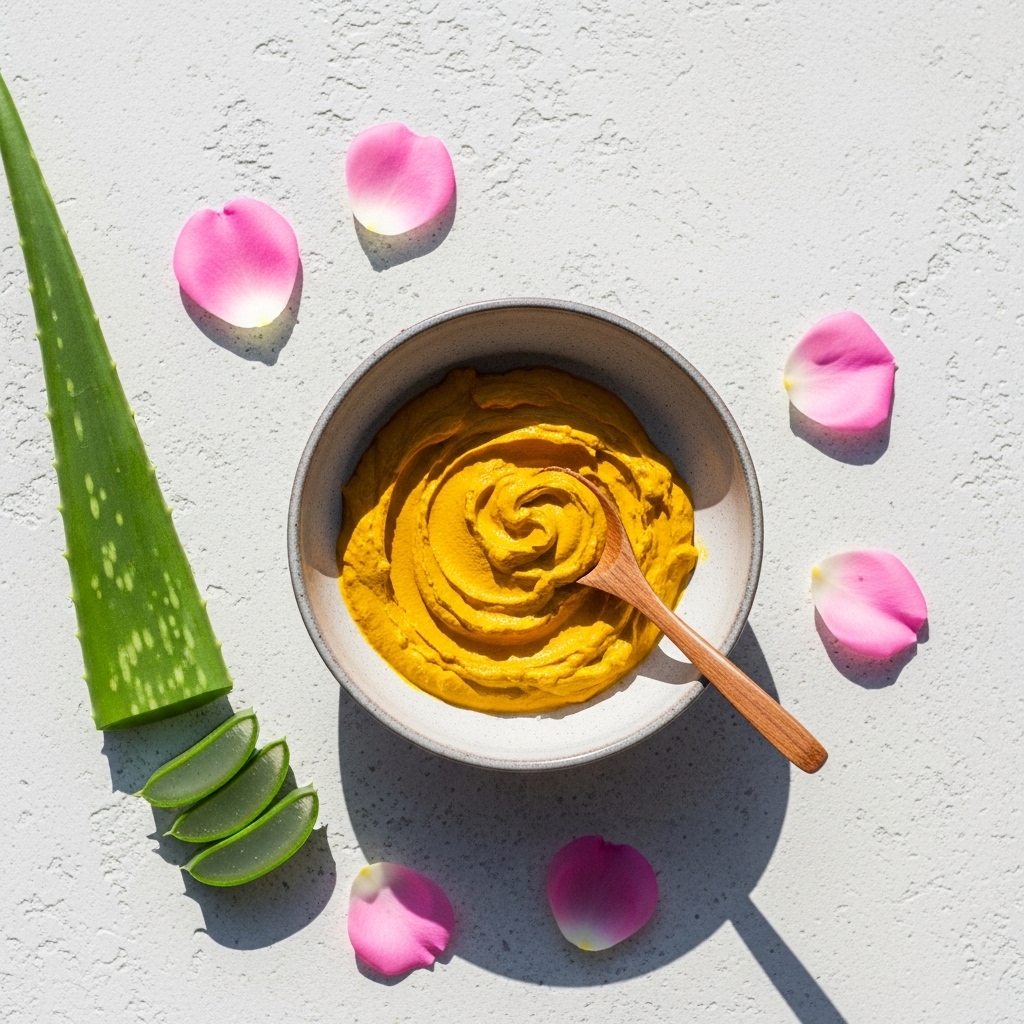 Turmeric face mask mixture
Bridging Tradition and Modern Research
Modern scientific research increasingly confirms what traditional herbal knowledge has long maintained: plants contain powerful bioactive compounds that influence human health.
Antioxidants, flavonoids, essential oils, and plant alkaloids now form the basis of many pharmaceutical and cosmetic formulations. However, much of this knowledge originated in homes and communities where women practiced herbal medicine daily.
As interest in natural living grows, preserving traditional knowledge while applying scientific validation offers a balanced path forward.
Conclusion
Medicinal plants for health remain a powerful foundation for holistic well-being. They support immunity, digestion, hormonal balance, and healing while offering gentle yet effective solutions for daily care.
At the center of this tradition stand women — growers, healers, educators, and innovators. Their role in cultivating, preparing, and preserving plant-based remedies has shaped health systems across generations.
By honoring both the science and the tradition of medicinal plants, we sustain a legacy of natural healing that benefits future generations.

Newsletter Opt-in
Recent Articles


-
Wood with Metal Inlay Work
Aug 15, 26 03:54 AM
 Wood with metal inlay work of Pakistan shows how tables, boxes and chess boards combine function and ornament for interiors, gifting and display.
 -
Bridal Dupatta of Pakistan: Craft and Elegance
Jul 23, 26 02:59 PM
 Bridal dupatta of Pakistan reflects intricate embroidery, rich fabrics, and traditional craftsmanship in elegant wedding attire.
 -
Jamawar Fabric of Pakistan: Woven Heritage and Timeless Design
Jun 17, 26 03:15 PM
 Jamawar fabric of Pakistan is known for intricate woven paisley motifs, rich textile heritage, and timeless elegance in shawls, garments, and décor.