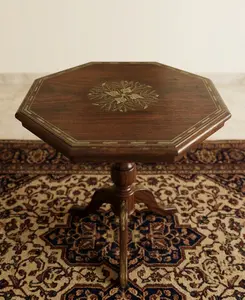
Designer Furniture in Wood
Designer Furniture in Wood – Tradition Shaping Modern
Spaces
Designer furniture in wood has the power to transform any house into a welcoming home. Thoughtfully designed wooden pieces create cozy corners that invite conversation and comfort. Furniture is not merely functional; it shapes the atmosphere of a space and reflects the taste of those who live there. The designers of Pakistan are reimagining wooden furniture by blending heritage with contemporary lifestyles, presenting creations that speak to both local and global audiences.
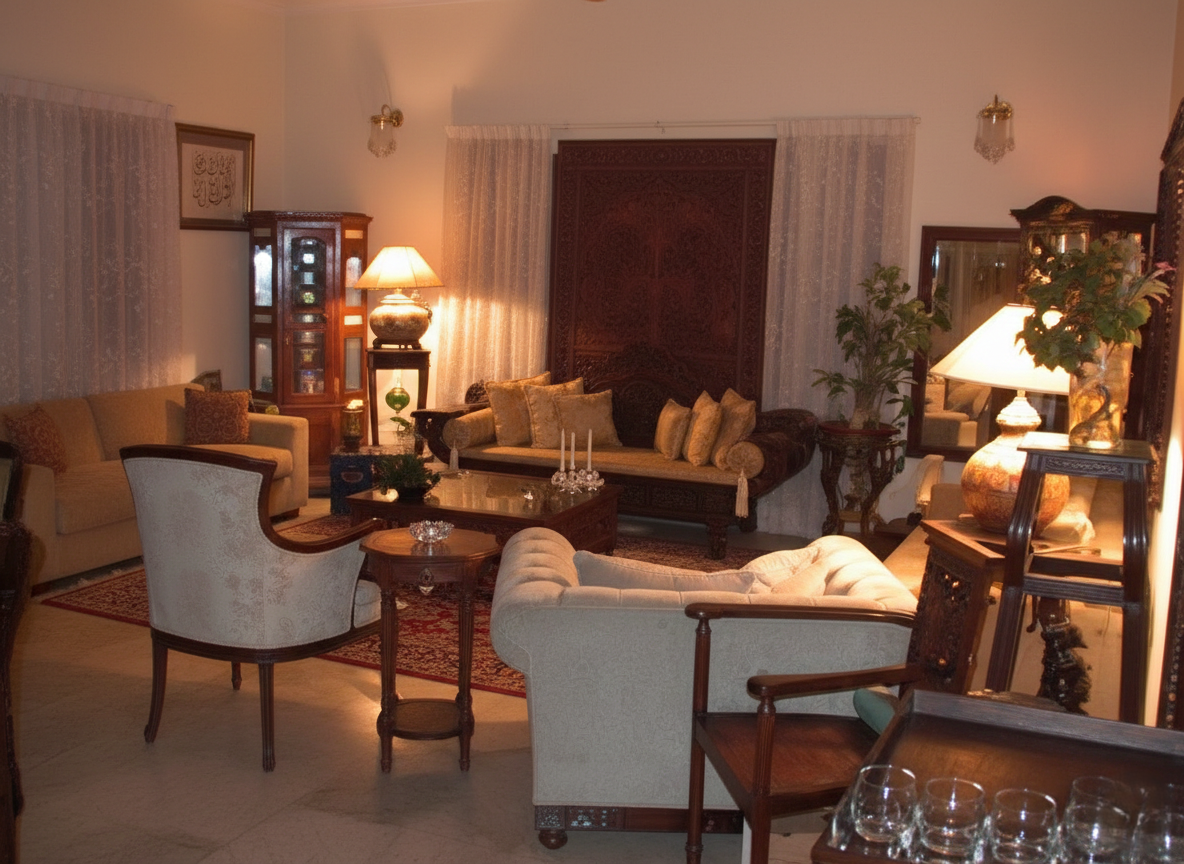 Designer furniture in wood as seen in a living interior shaped by Pakistan’s design sensibilities.
The Meaning of Designer
Furniture
Modern interiors favor simplicity over clutter. Rather than filling every corner with objects, today’s homes rely on a few carefully chosen pieces that define the character of a room. Designer furniture follows this philosophy. Each table, bed, or cabinet is planned with attention to proportion, usability, and visual harmony. When crafted in wood, these qualities are enhanced by the natural warmth and individuality of the material.
Designers consider the purpose of a space before shaping a piece. A dining table must invite gathering, a bed must offer comfort, and a bookshelf must organize without overwhelming. Wood, with its strength and gentle presence, supports all these needs beautifully.
 Designer Furniture in Wood - Formal living
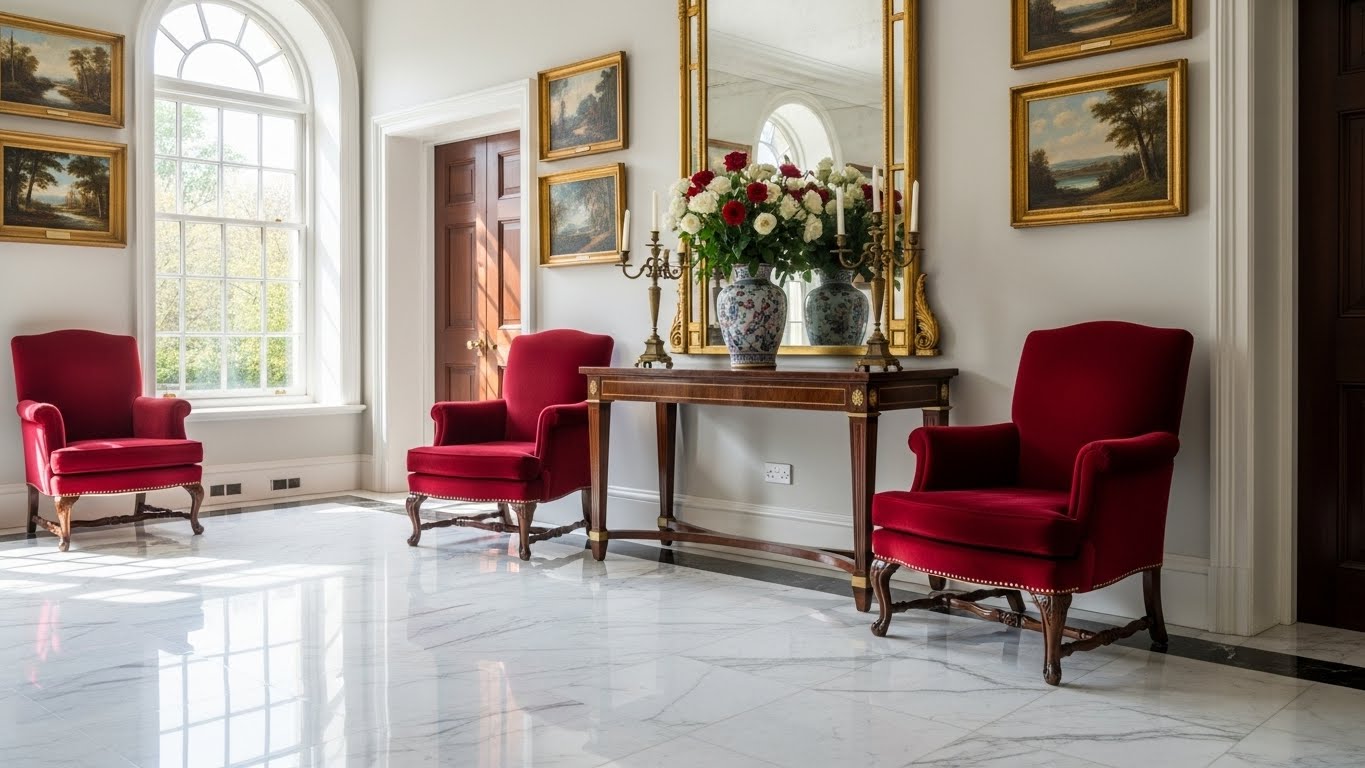 Designer Furniture in Wood - Formal living
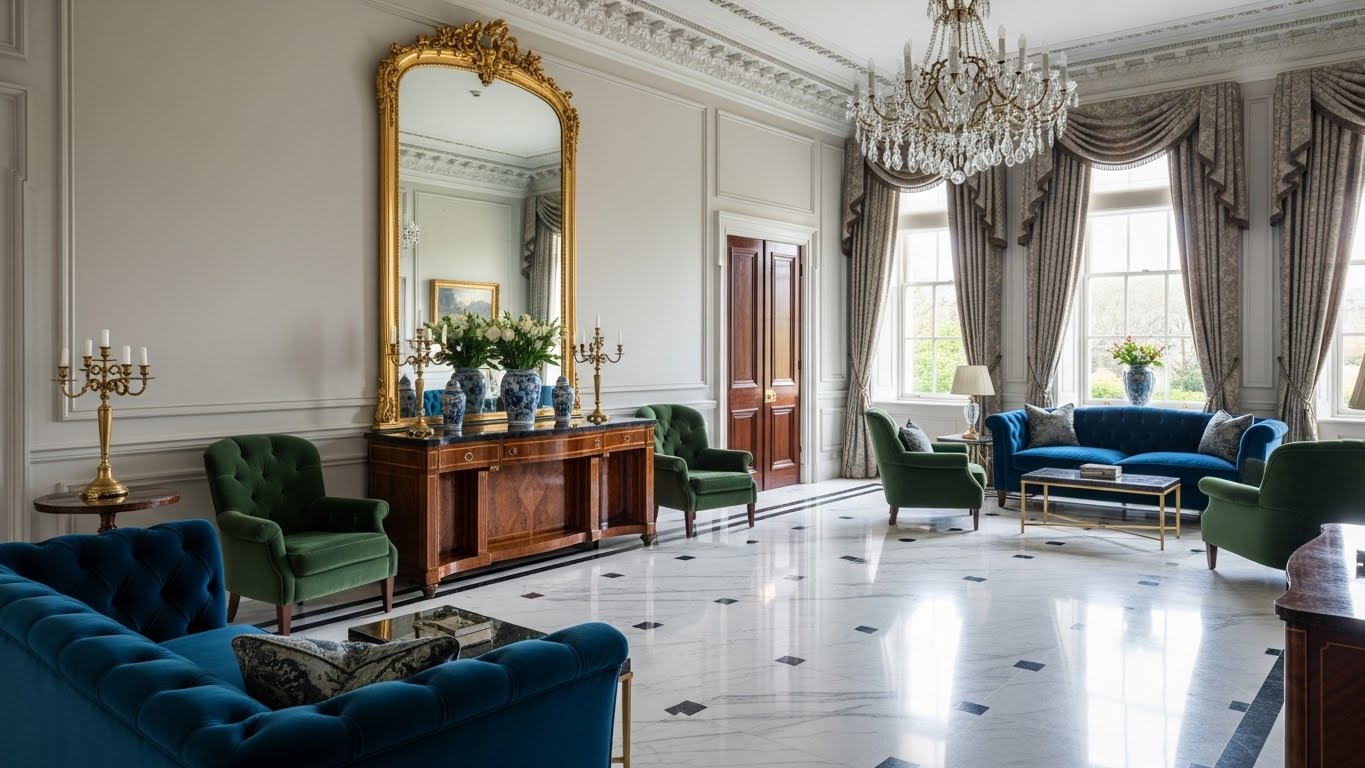 Designer Furniture in Wood - Formal living
Types of Furniture in Wood
Designer furniture of Pakistan appears in many forms:
- Wooden furniture for bedrooms – beds, wardrobes, dressers
- Living room pieces – sofas, coffee tables, sideboards
- Dining room sets – tables, chairs, consoles
- Study and office furniture – desks, cabinets, shelving
While cane, wrought iron, and other materials are also used, wood remains the preferred medium for interior spaces because of its durability and timeless appeal. Visit the links here on Wrought Iron Furniture and on Cane Furniture
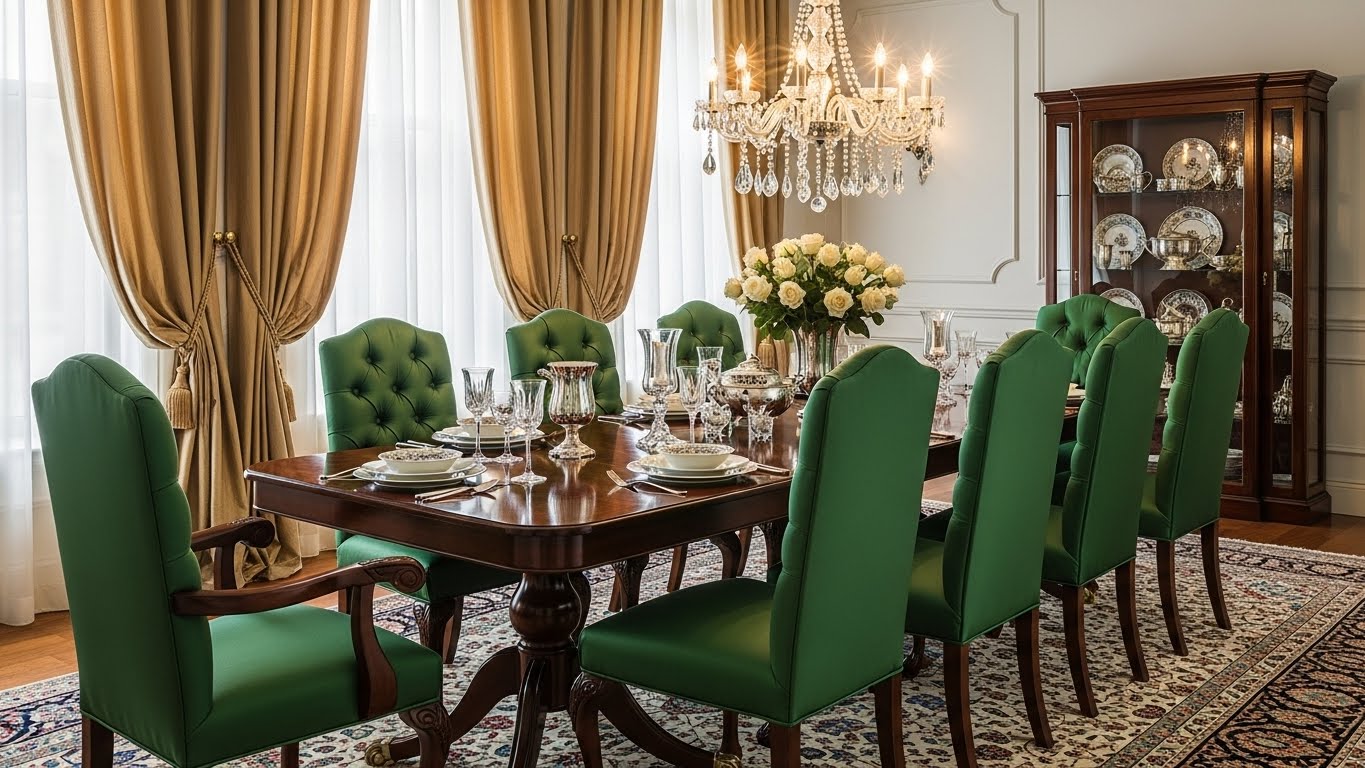 Designer Furniture in Wood - Formal Dining
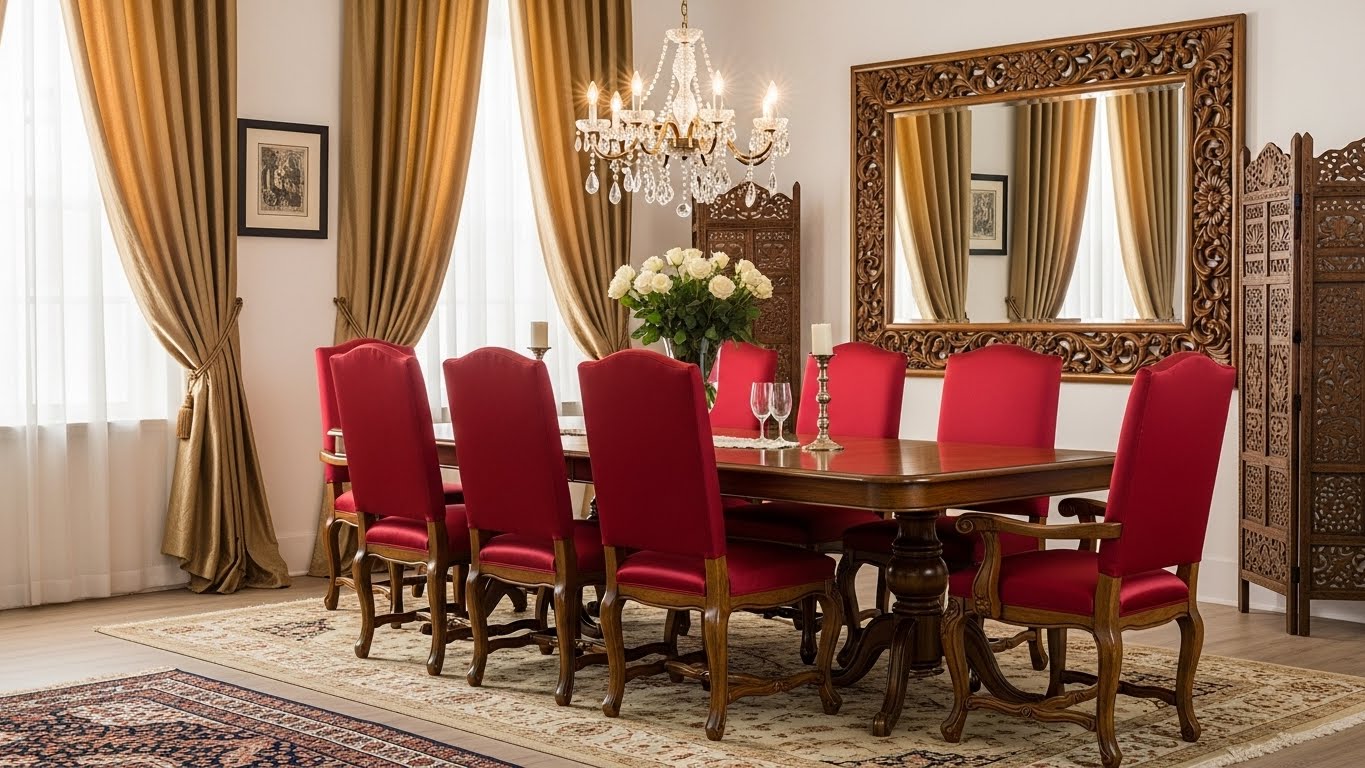 Designer Furniture in Wood - Formal Dining
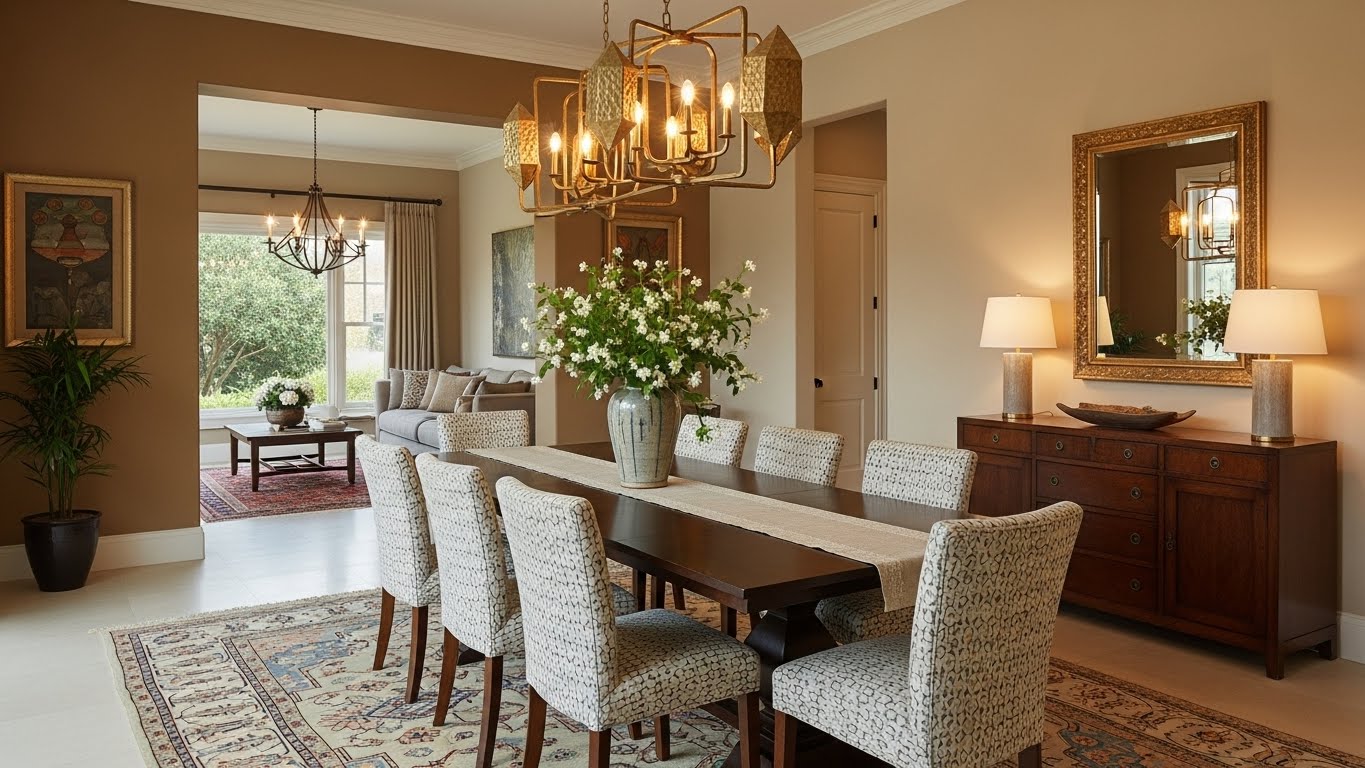 Designer Furniture in Wood - Formal Dining
Solid Wood – A Designer’s
Favorite Medium
Solid wood offers possibilities that manufactured boards cannot match. The grains of sheesham, teak, walnut, and deodar provide natural patterns that inspire design ideas. Skilled designers work with these characteristics instead of hiding them. Curves follow the flow of the grain, and finishes are chosen to highlight rather than disguise the material.
In many studios, furniture is developed as a dialogue between designer and wood. Prototypes are refined repeatedly until form and function meet. Such pieces, when cared for, can last a lifetime and often become family heirlooms.
Tradition and Modern Design
Designer furniture in wood of Pakistan reflects a meeting of eras. Historical influences - Mughal geometry, Central Asian motifs, and colonial simplicity - are quietly present in contemporary designs. Yet modern designers avoid copying the past. They translate traditional ideas into lighter forms suited to present-day homes.
A carved panel may be simplified into a subtle pattern on a cabinet door; an old chest may inspire a sleek media console. This balance between memory and modern need gives Pakistan's designer furniture its distinctive identity.
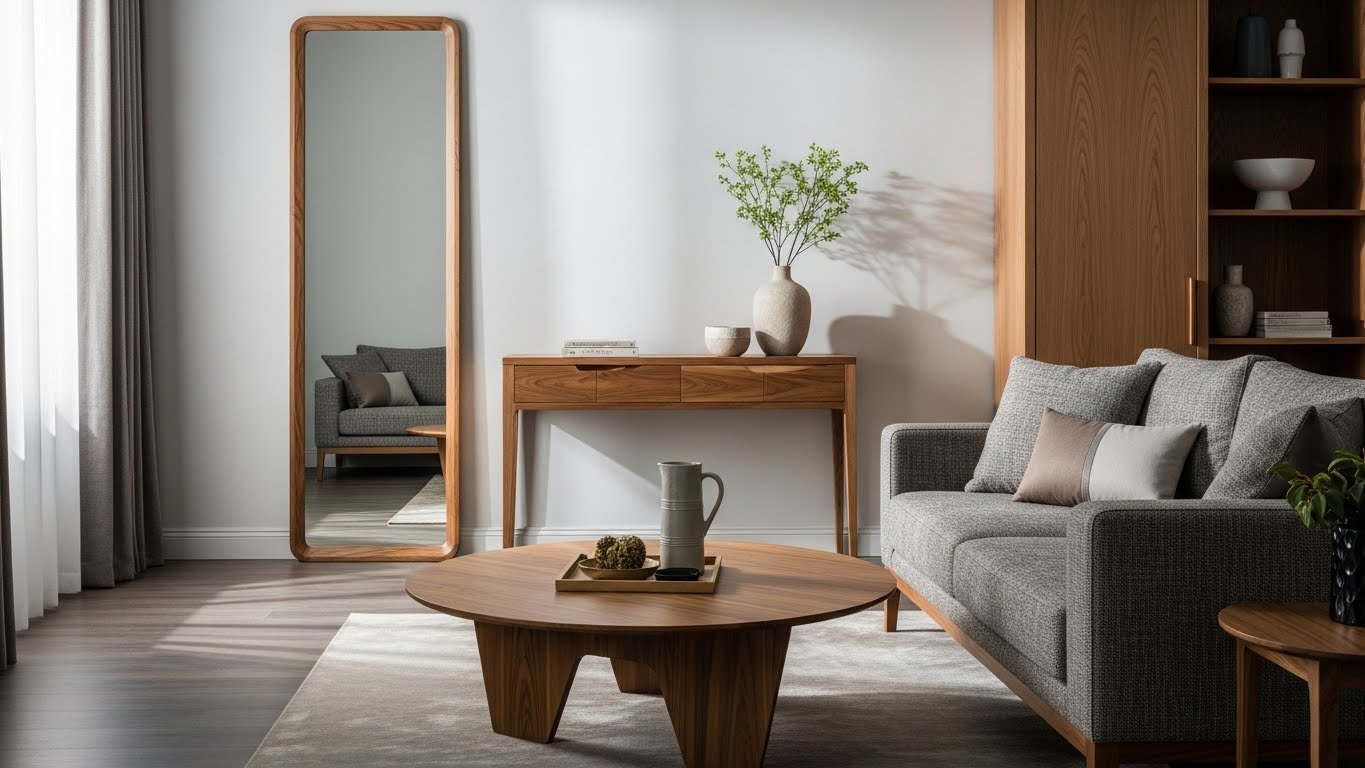 Designer furniture in Wood-Minimal Living-with Standing Mirror
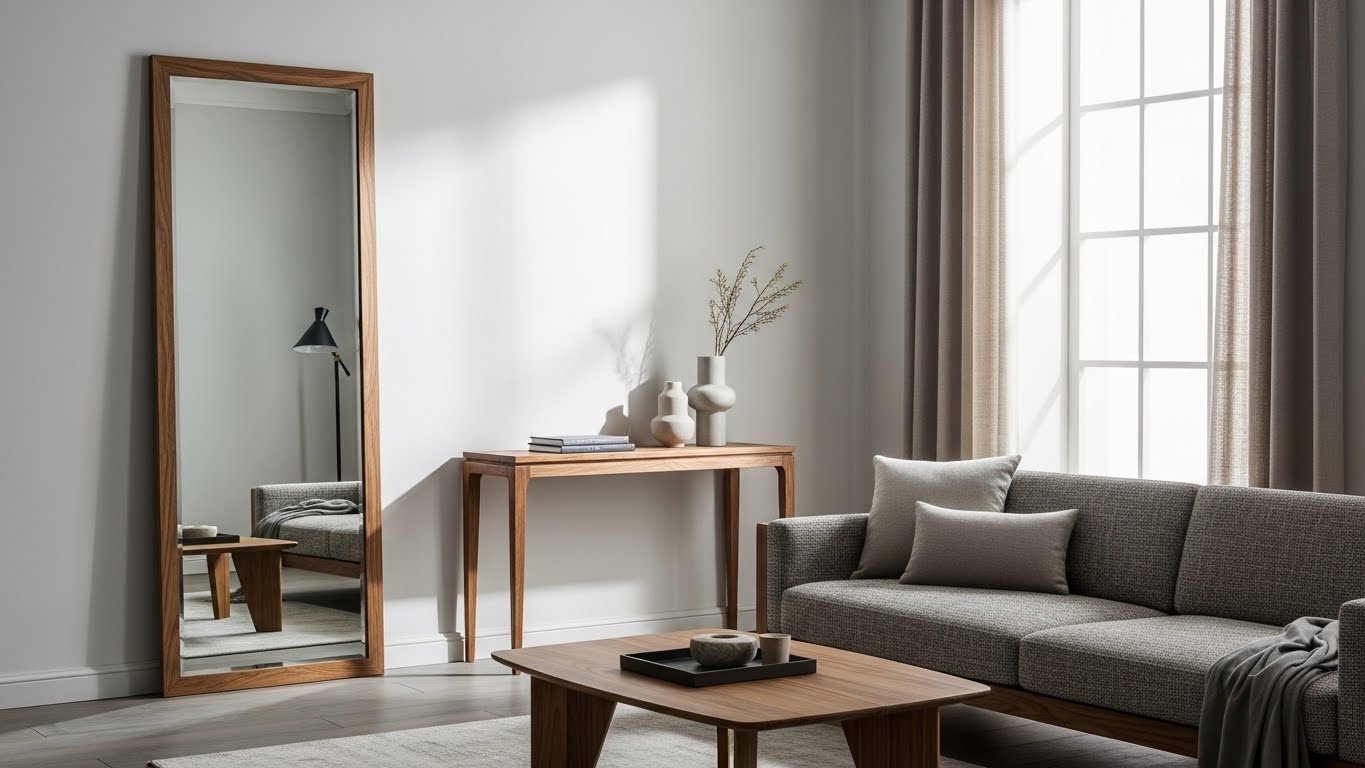 Designer furniture in Wood-Minimal Living-with Standing Mirror
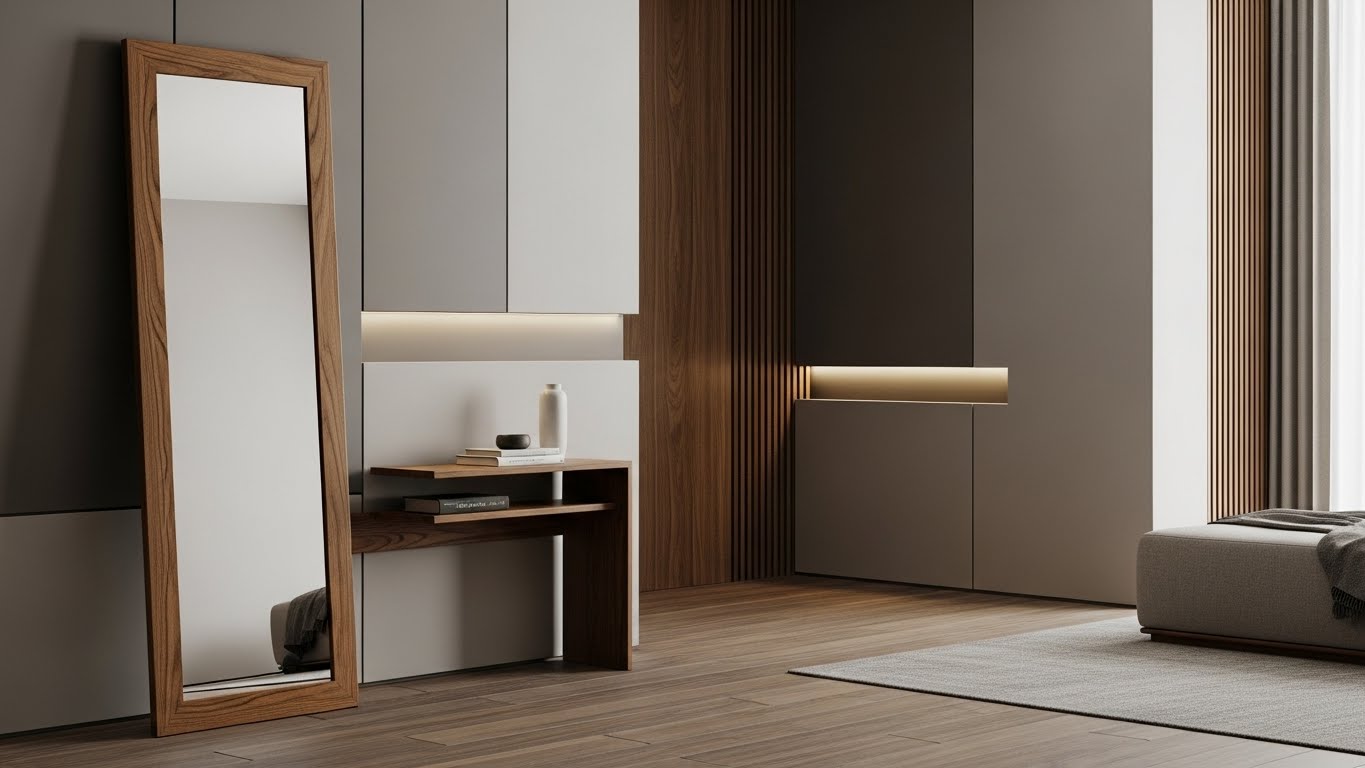 Designer furniture in Wood-Minimal Living-with Standing Mirror
Centers of Design Inspiration
Different regions of Pakistan contribute their own flavor to wooden furniture design. Towns such as Chiniot, Gujrat, Peshawar, and Lahore have long traditions of working with timber. Each area developed particular aesthetics - some known for refined carving, others for elegant inlay or sturdy structural forms.
Designers today draw inspiration from these regional strengths while adapting them to urban living. The result is furniture that carries a sense of place without appearing old-fashioned. Visitors often recognize in these pieces the colors of bazaars, the geometry of historic buildings, and the calm of traditional homes.
Designing Complete Spaces
Furniture designers today often think like interior planners. Before creating pieces, they study room dimensions, light, and movement. Colors, fabrics, and finishes are coordinated so that every element belongs to a single story. Homes and offices developed in this manner feel calm and coherent rather than assembled at random.
In offices, wooden designer furniture brings warmth to professional environments. Executive desks, meeting tables, and reception counters crafted in solid wood convey dignity and stability while remaining functional for modern work.
Women Designers and New
Perspectives
Among the designers shaping wooden furniture of Pakistan, women are increasingly visible. Their approach often emphasizes comfort, practical living, and color harmony. Many of them work closely with families, understanding how furniture is used in daily life before putting ideas on paper.
Women designers frequently combine design with interior guidance, helping clients imagine entire rooms rather than isolated objects. Their contribution has introduced softer lines, innovative storage solutions, and a more personal relationship between user and furniture. This growing presence adds an important dimension to the story of designer furniture in wood.
Signature Furniture by Samina Khan
Among the designers contributing to furniture in wood from Pakistan, Samina Khan is recognized for a style inspired by Victorian elegance, shaped with a personal and distinctive flair. Her signature pieces - tall mirrors, consoles, and formal living room furniture - recall the grace of nineteenth-century proportions while remaining suited to present-day homes. Rather than pursuing modern minimalism, she revives classical lines, gentle curves, and decorative restraint, allowing the richness of wood to carry the design. Her work reflects how historical influences can be reinterpreted in Pakistan without losing warmth, comfort, or individuality.
Images courtesy of the designer, used to illustrate designer furniture in wood from Pakistan.
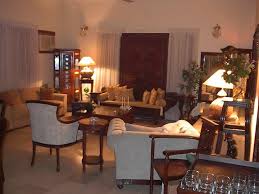 Designer Furniture by Samina Khan-Living
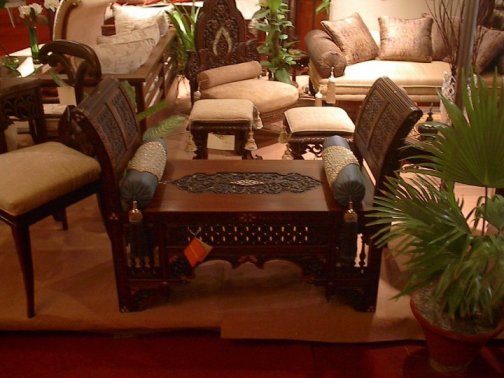 Designer Furniture by Samina Khan-Exhibition
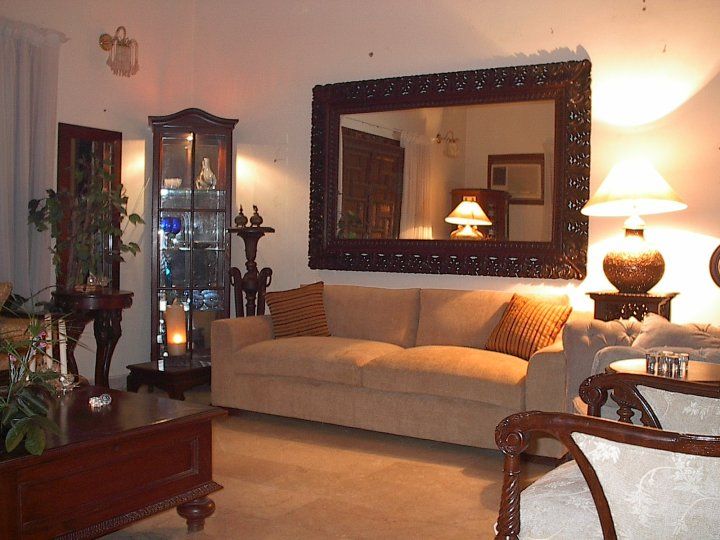 Designer Furniture by Samina Khan
Materials - Polish. Tones and Care
The character of designer furniture in wood is completed by the choice of finishes. Natural oils, traditional lacquers, and modern eco-friendly coatings are used to protect the surface while allowing the grain to remain visible. Designers often select finishes according to climate and lifestyle, ensuring that the furniture ages gracefully.
Good design also considers maintenance. Simple joinery that can be tightened, surfaces that can be repolished, and fabrics that can be replaced make wooden furniture adaptable over time. Such thoughtful planning distinguishes designer pieces from mass-produced alternatives.
The character of designer furniture in wood depends greatly on finishing - polish, tone, and care determine how a piece will age within a home.
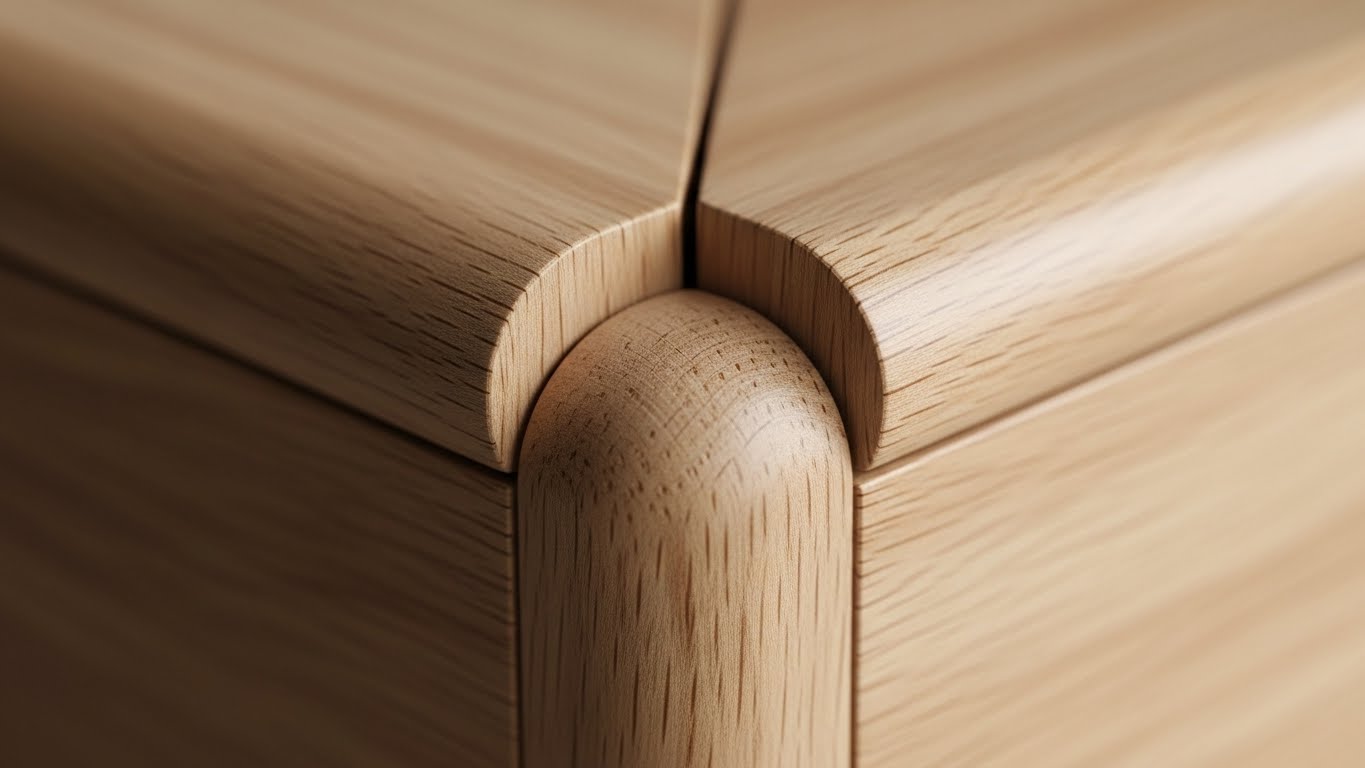 Designer Furniture in Wood - Crafting
 Designer Furniture in Wood-Polish
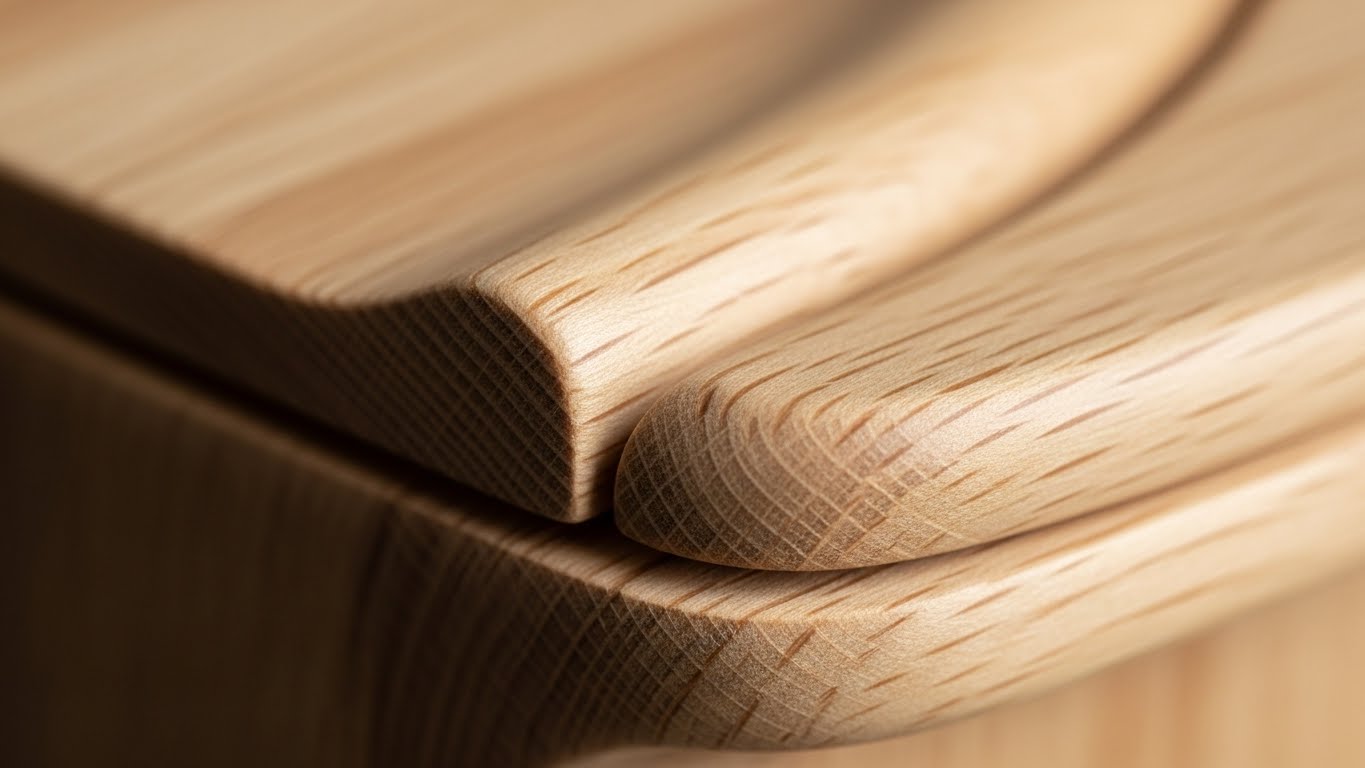 Designer Furniture in Wood - Tone
Built for Generations
One of the greatest strengths of wooden designer furniture is longevity. Properly seasoned timber and good joinery allow pieces to survive decades of use. Surfaces can be renewed, styles refreshed, and minor damages repaired. In a world of disposable products, such endurance is rare and valuable.
Conclusion
Designer furniture in wood represents more than decoration; it is a meeting point of material, design, and culture. From traditional inspirations to modern expressions, the designers of Pakistan continue to shape furniture that brings warmth and character to homes and workplaces around the world.
- Home
- Products and Trades
- Designer Furniture in Wood

Newsletter Opt-in
Recent Articles


-
Wood with Metal Inlay Work
Aug 15, 26 03:54 AM
 Wood with metal inlay work of Pakistan shows how tables, boxes and chess boards combine function and ornament for interiors, gifting and display.
 -
Bridal Dupatta of Pakistan: Craft and Elegance
Jul 23, 26 02:59 PM
 Bridal dupatta of Pakistan reflects intricate embroidery, rich fabrics, and traditional craftsmanship in elegant wedding attire.
 -
Jamawar Fabric of Pakistan: Woven Heritage and Timeless Design
Jun 17, 26 03:15 PM
 Jamawar fabric of Pakistan is known for intricate woven paisley motifs, rich textile heritage, and timeless elegance in shawls, garments, and décor.