Recycled Yarn Production and Applications
Recycled Yarn Production And Applications: Sustainable Production and Versatile Uses
Recycled yarn production and applications have emerged as practical solutions for economic production of textile products - transforming fabric cuttings and textile waste into usable yarn for upholstery, home textiles, and everyday apparel. The textile industry is undergoing a decisive shift toward sustainability, driven by environmental responsibility, resource efficiency, and changing market expectations. By reprocessing materials that would otherwise be discarded, recycled yarn supports circular production while reducing waste, water usage, and dependency on virgin fibers.
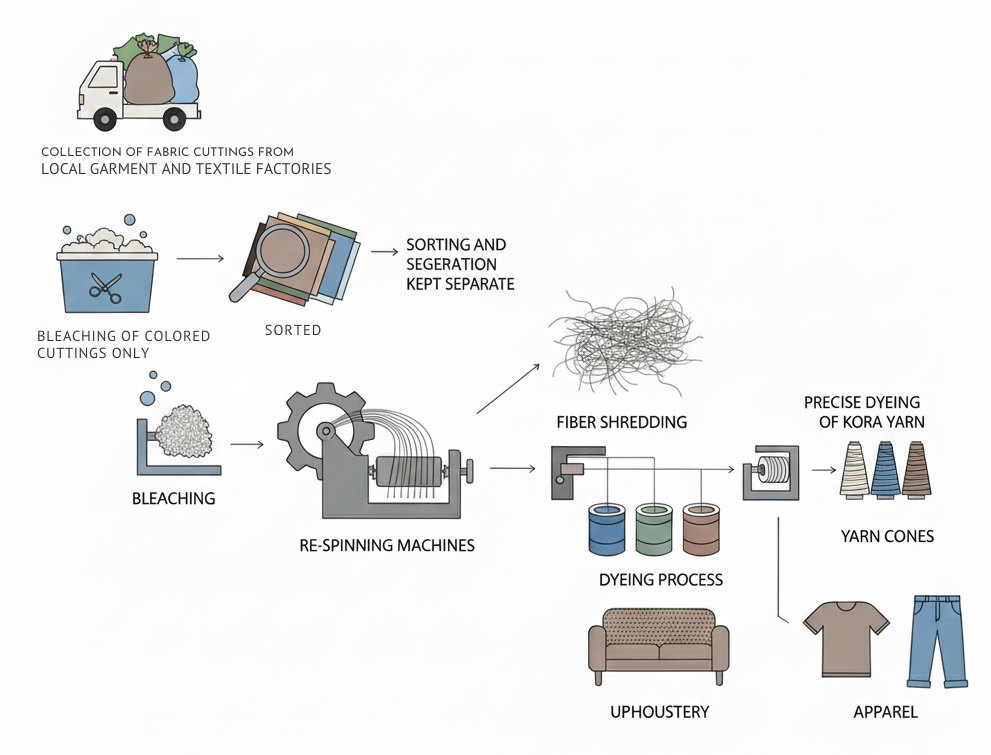 Recycled Yarn Process-From Textile Waste to End Applications
This page is designed for brands and buyers looking to source sustainable yarn and finished textile products, offering a clear understanding of how recycled yarn is produced, what to expect in terms of quality and variation, and where it is best applied. It helps decision-makers evaluate recycled yarn as a responsible and commercially viable material choice.
For mills, manufacturing units, and small workshops in Pakistan, this page explains how locally collected fabric cuttings can be converted into value-added yarn through sorting, re-spinning, and dyeing. It highlights how recycled yarn manufacturing supports local supply chains, creates economic value from waste, and aligns Pakistani production with global sustainability requirements.
For students, designers, and learners, this page provides a practical, process-level overview of recycled yarn - covering material sourcing, color management, machinery, and end-use applications - bridging academic knowledge with real-world textile practices in Pakistan.
Together, these perspectives position recycled yarn not just as a trend, but as a working solution for sustainable textile development in and from Pakistan.
Recycled Yarn Production And Applications: What Is Recycled Yarn?
Recycled yarn is produced from post-industrial textile waste such as fabric cuttings, surplus yarn, and leftover materials generated during garment manufacturing. Instead of discarding these materials, they are carefully collected, sorted, and reprocessed into new yarn.
While recycled yarn may display subtle variations in shade or texture, these characteristics reflect its sustainable origin and add authenticity to the final product. With advancements in processing technology, recycled yarn today meets the quality standards required for a wide range of textile uses.
Sorting and Segregation: The First Step Toward Quality
Quality recycled yarn begins with precise sorting and segregation of textile waste. This step is critical in determining the final appearance and performance of the yarn.
Colored Fabric Cuttings
Colored fabric cuttings are separated according to base colors and further classified by tonal depth. Sorting by shade reduces color contamination and helps achieve more controlled dyeing results in later stages.Undyed Yarn (Kora)
Undyed yarn cuttings, commonly referred to as “kora” in Urdu, are kept completely separate from colored materials. Since kora yarn has not been treated with dyes or chemicals, it offers a clean base that allows for better dye absorption and more accurate color matching.
Colored fabric cuttings are separated according to base colors and further classified by tonal depth. Sorting by shade reduces color contamination and helps achieve more controlled dyeing results in later stages.
Undyed Yarn (Kora)
Undyed yarn cuttings, commonly referred to as “kora” in Urdu, are kept completely separate from colored materials. Since kora yarn has not been treated with dyes or chemicals, it offers a clean base that allows for better dye absorption and more accurate color matching.
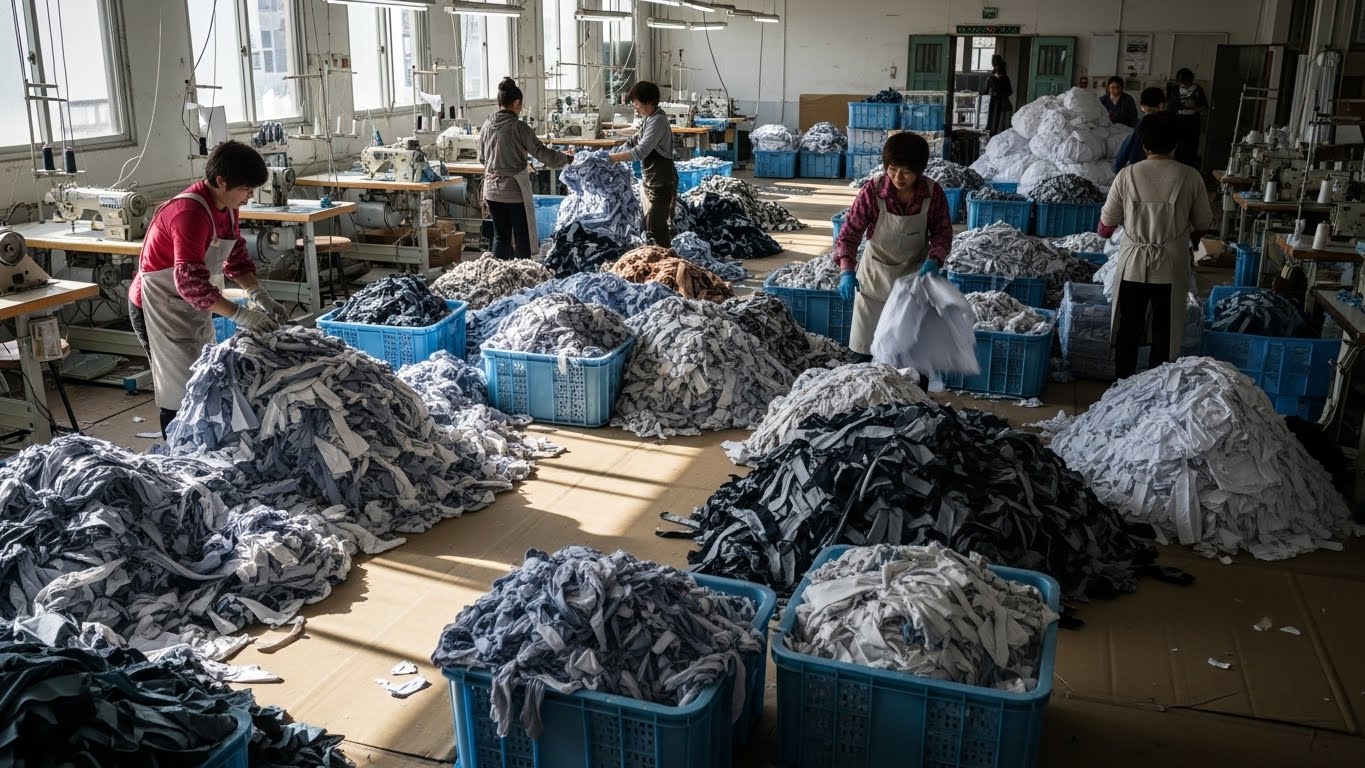 Fabric Cuttings Collection
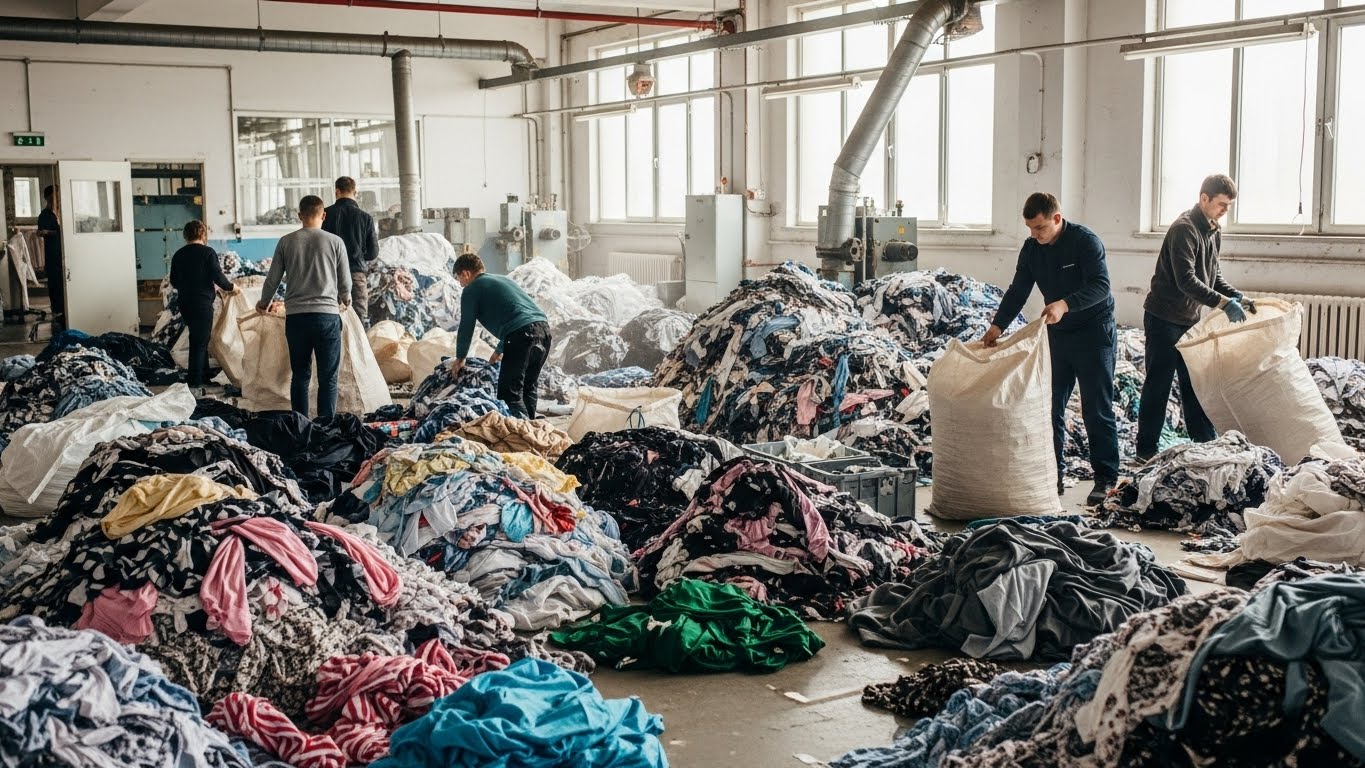 Fabric Cuttings Collection
Processing of Colored Fabric Cuttings
Once sorted, colored fabric cuttings undergo a bleaching process designed to neutralize existing dyes. Although complete color removal is not always possible, bleaching prepares the fibers for further processing.
The cuttings are then:
- Shredded into fibers
- Cleaned of impurities
- Prepared for re-spinning
Specialized re-spinning machines are used to convert these fibers into yarn. After re-spinning, the yarn is dyed again to achieve a variety of colors. Due to residual pigments from previous dyes, slight color variations may remain, giving recycled yarn a distinctive and natural appearance.
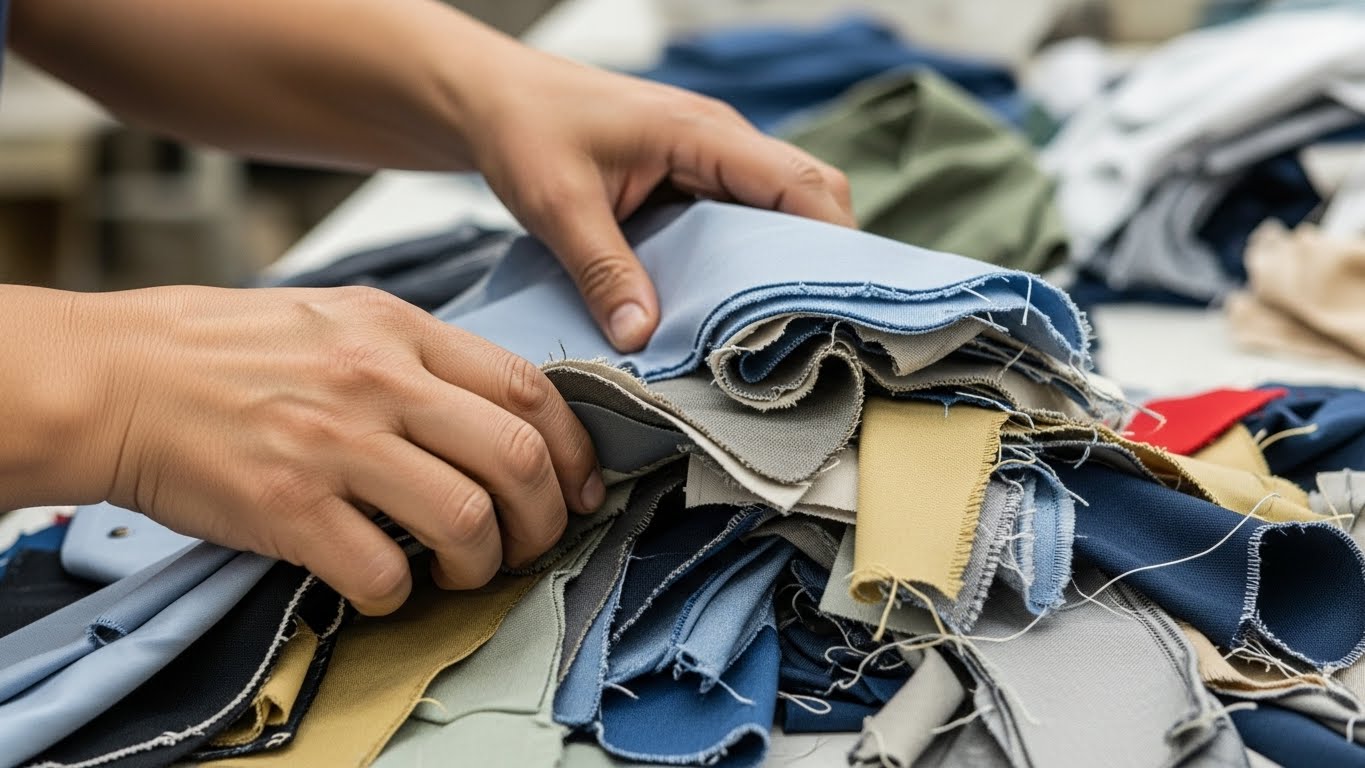 Hands-on Material Handling
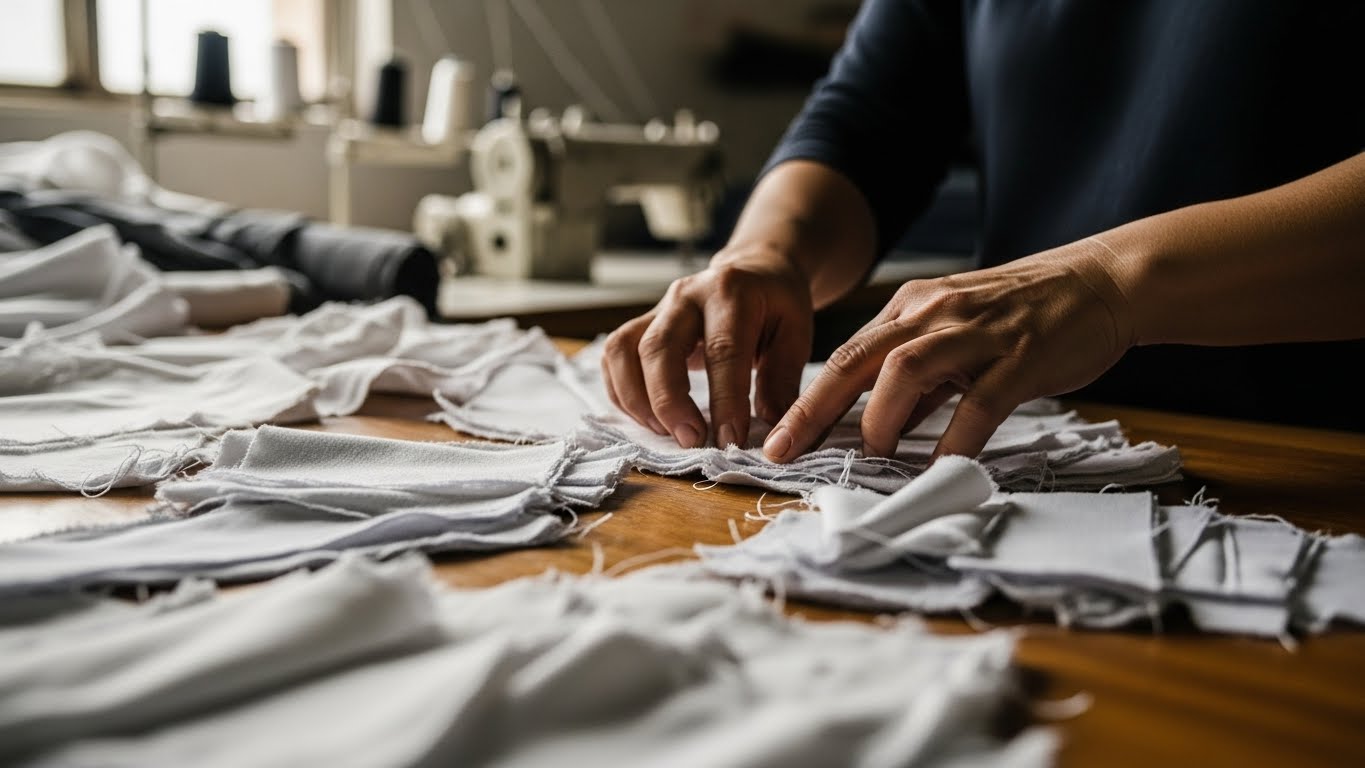 Hands-on Material Handling
Processing of Undyed (Kora) Yarn
Kora yarn follows a more direct process due to its dye-free nature. After shredding and re-spinning, the yarn is dyed according to specific color requirements. Because the fibers are clean, the dyeing process produces more consistent and accurate color tones.
This makes kora-based recycled yarn especially suitable for applications where color precision is important, while still maintaining sustainable production standards.
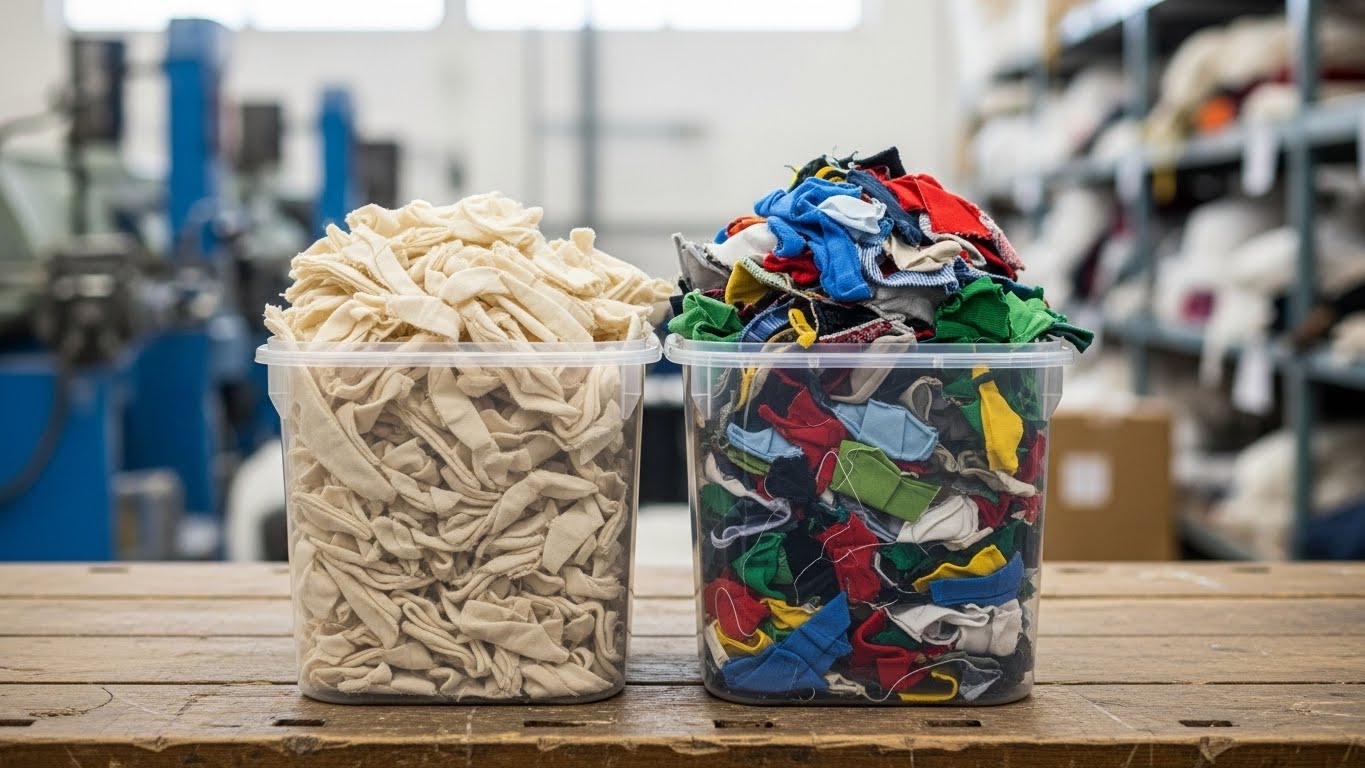 undyed-and-colored-fabric-cuttings-kept-in-separate-containers
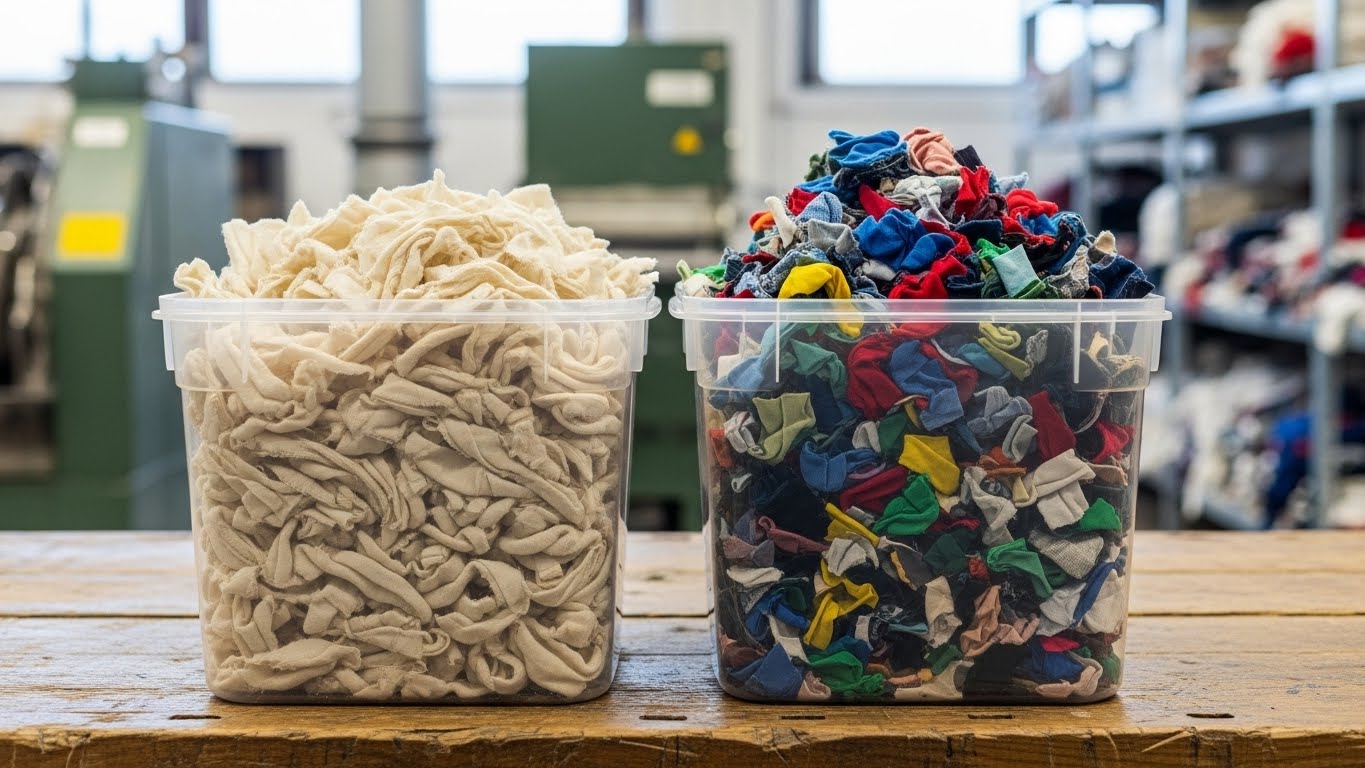 undyed-and-colored-fabric-cuttings-kept-in-separate-containers
Re-Spinning Technology and Machinery
Recycled yarn manufacturing relies on specialized machinery capable of handling short and irregular fibers produced from fabric waste. These machines:
- Open and align fibers
- Blend materials for consistency
- Twist fibers into durable yarn
Continuous advancements in re-spinning technology have significantly improved yarn strength and usability, enabling recycled yarn to perform well in demanding textile applications.
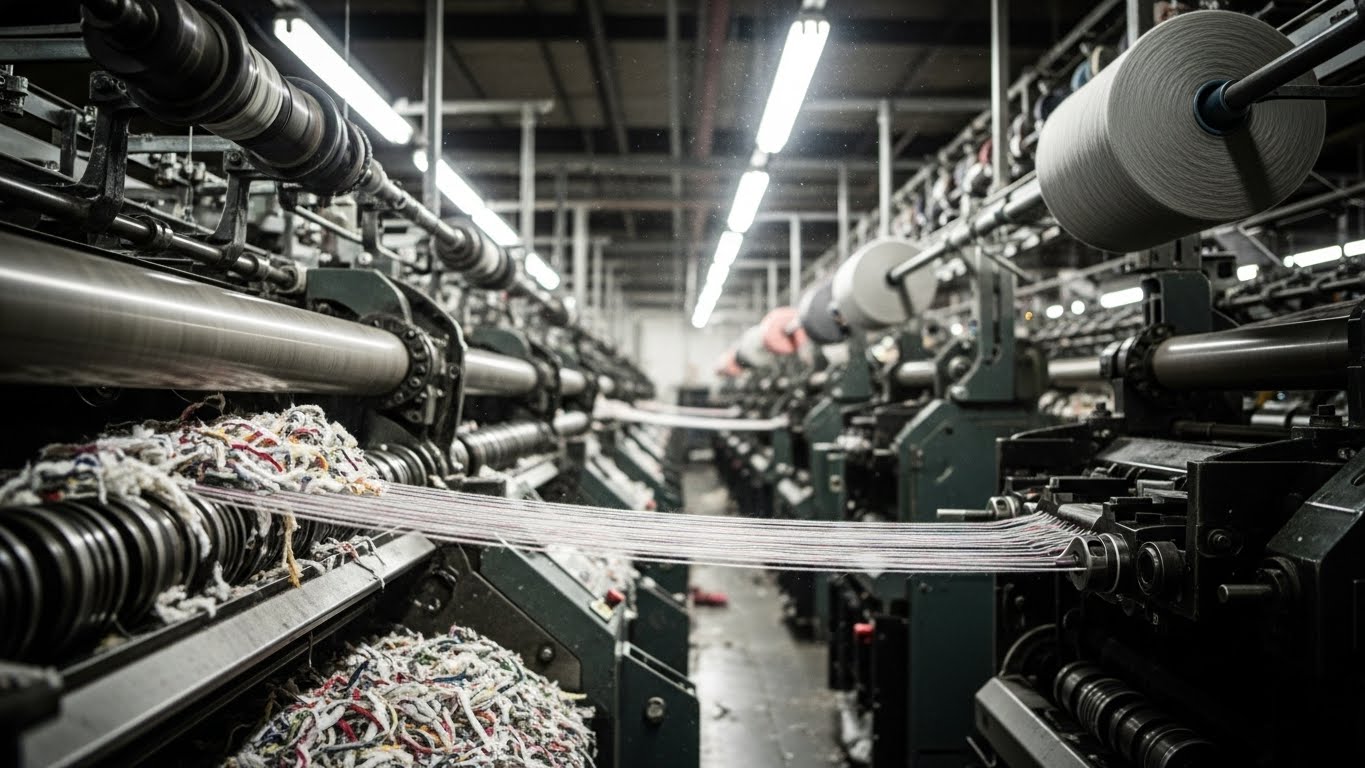 Re-Spinning and Yarn Manufacturing
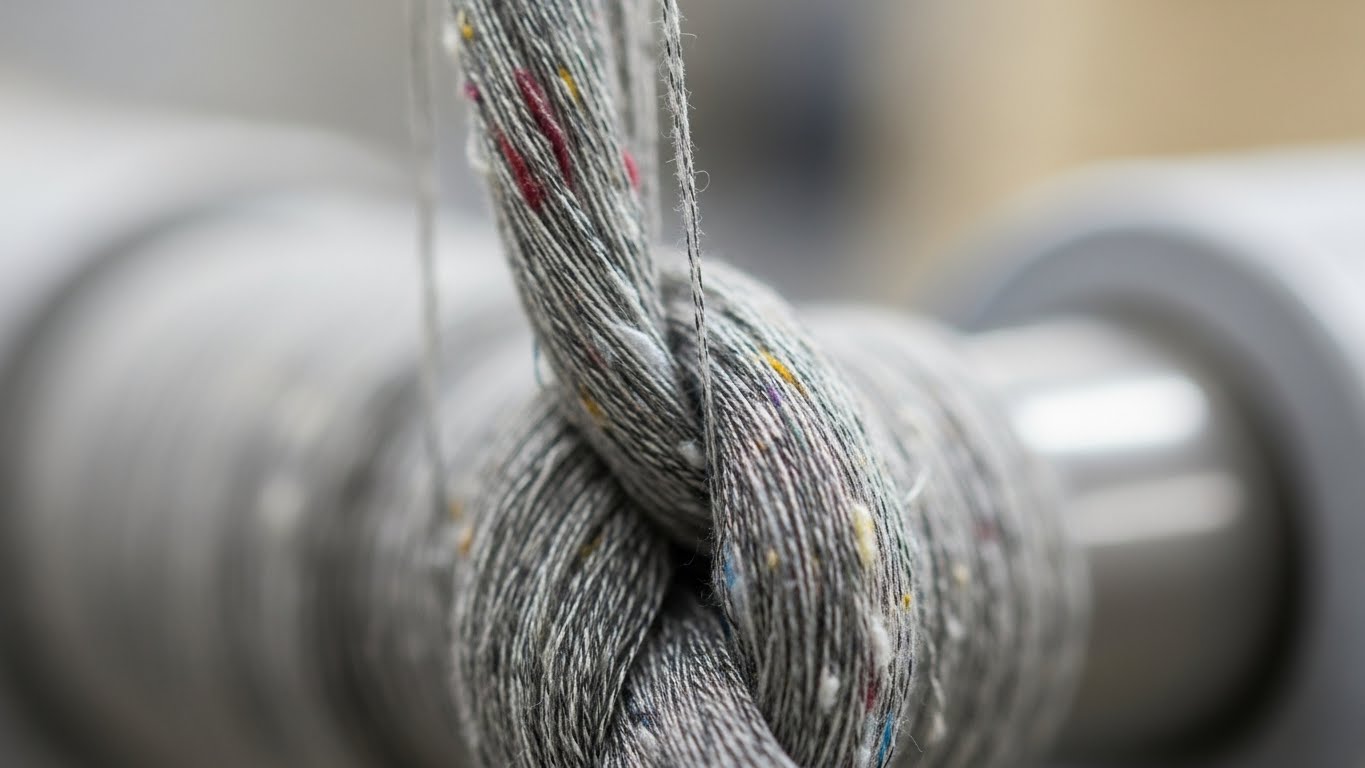 Yarn Formation Close-Up
Dyeing and Finishing Processes
After re-spinning, the yarn undergoes dyeing and finishing treatments to enhance performance and appearance. Recycled yarn often requires less dye than virgin yarn due to residual pigments, helping reduce water and chemical consumption.
Finishing processes improve:
- Strength and durability
- Softness and comfort
- Color fastness
These steps ensure the yarn is suitable for both home and apparel textiles.
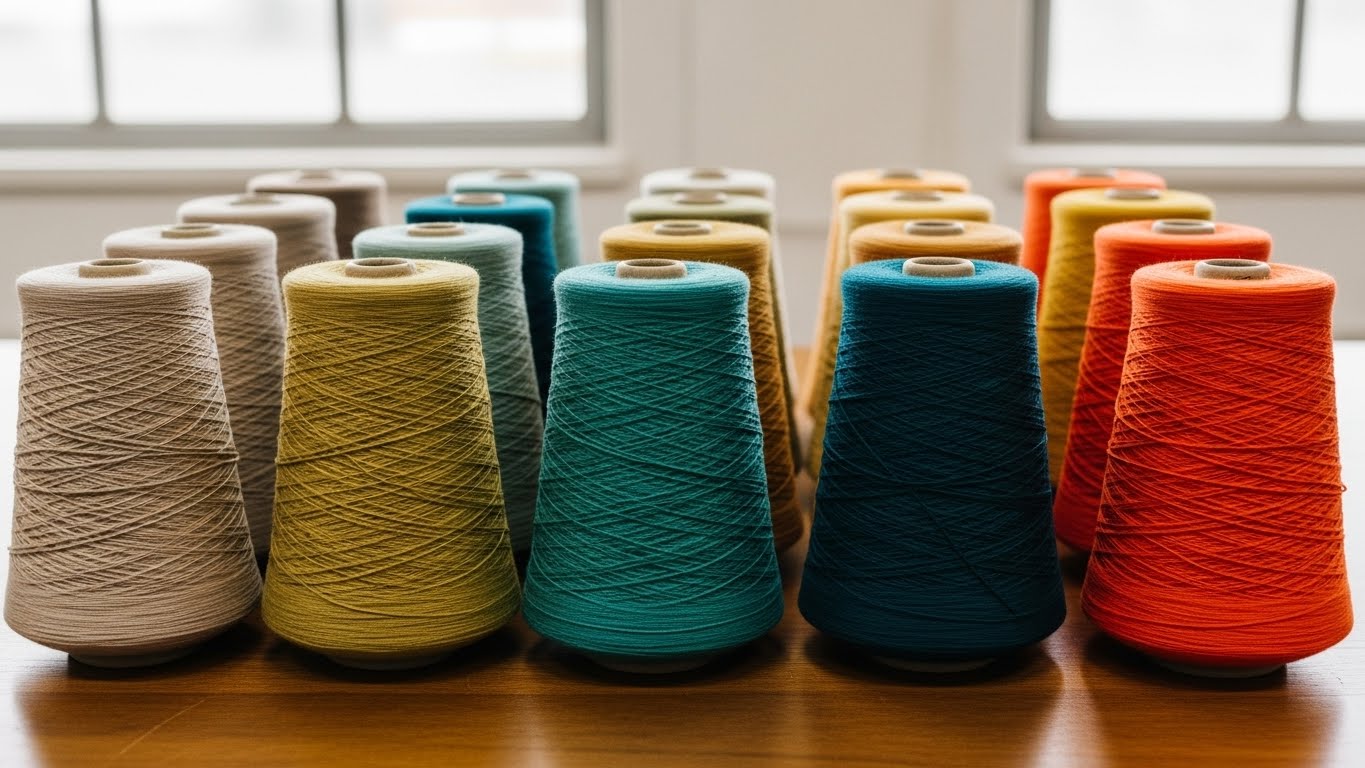 Dyed Yarn Cones
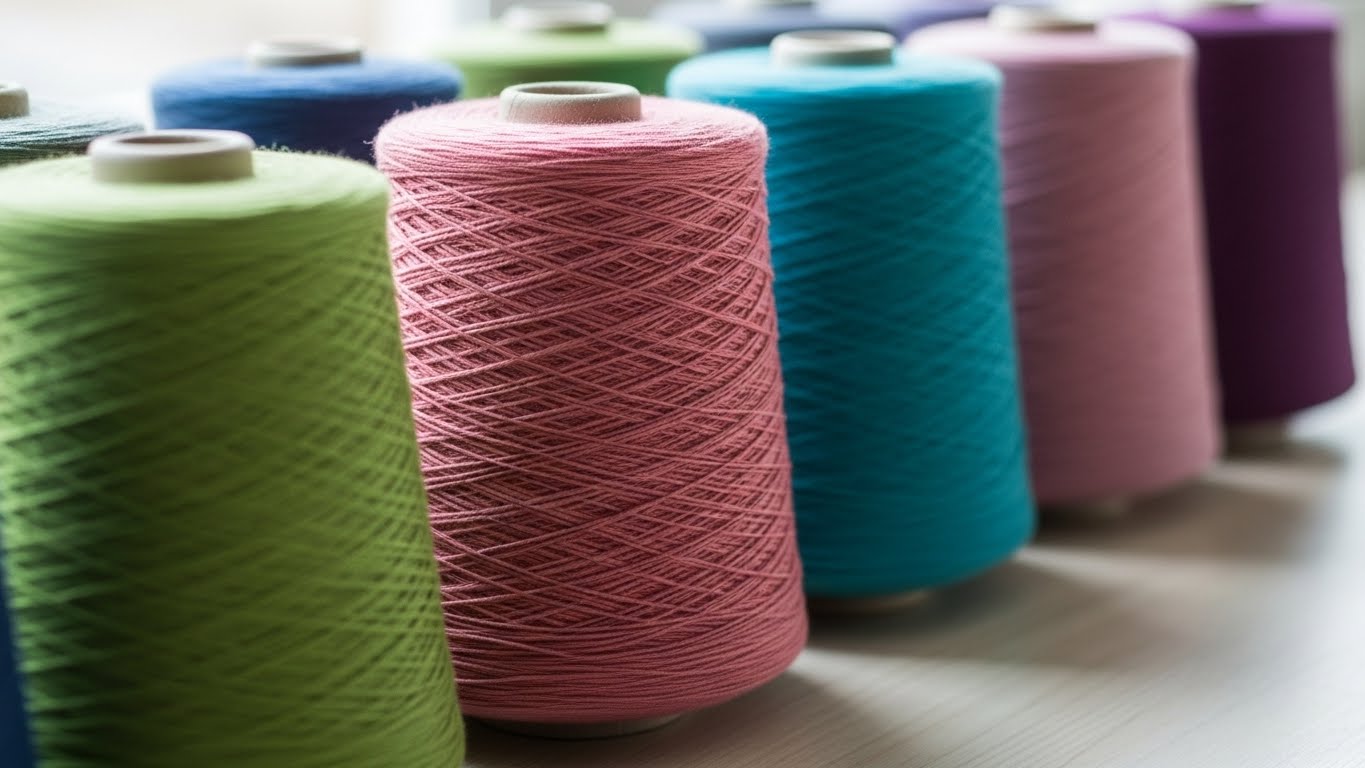 Dyed Yarn Cones-from Kora
Recycled Yarn Production And Applications: Industries Using Recycled Yarn
Which products and industries commonly use recycled yarn (home textiles, apparel, crafts)?
Recycled yarn is now widely used across multiple textile sectors, reflecting its versatility and growing acceptance.
Upholstery and Home Furnishings
Recycled yarn is commonly used in:
- Sofa and cushion covers
- Curtains and drapery
- Rugs and carpets
Its durability and textured finish make it ideal for home décor products designed for regular use.
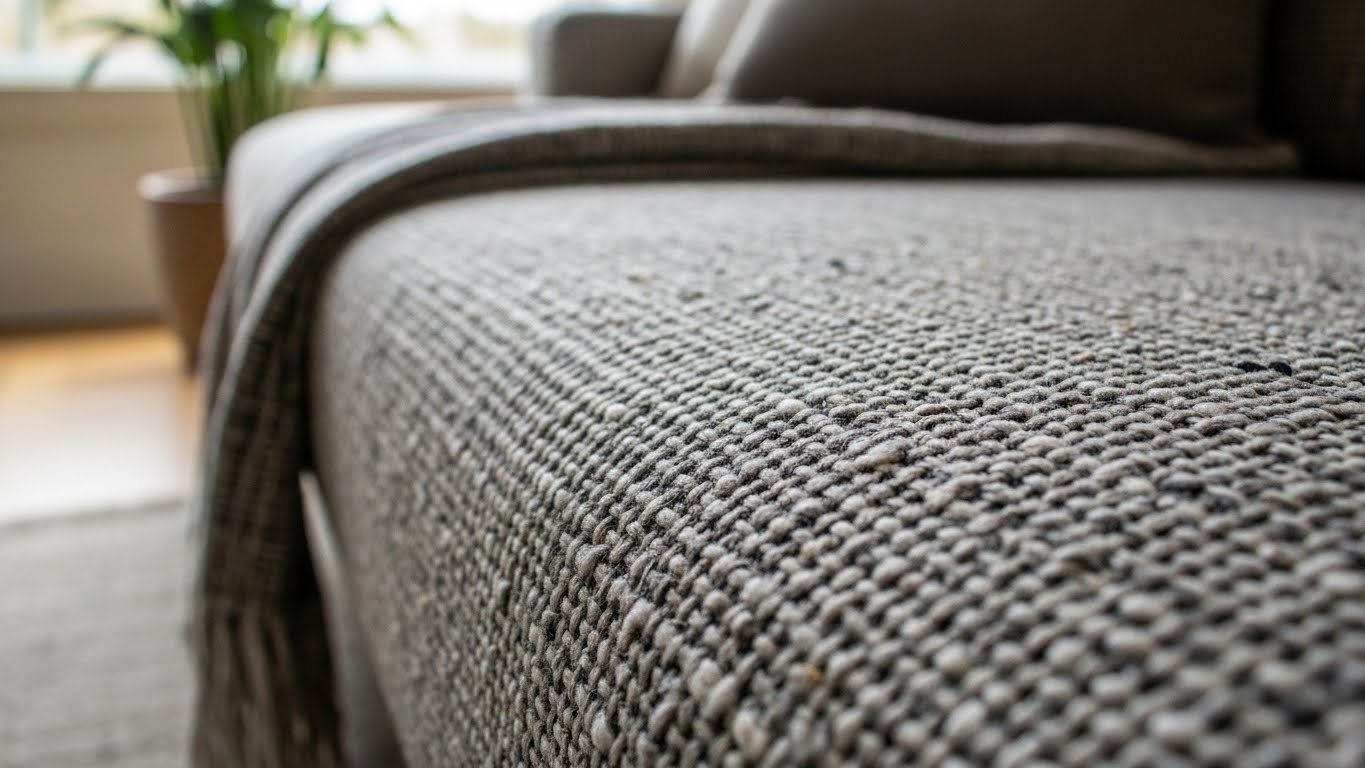 Upholstery Fabric Application
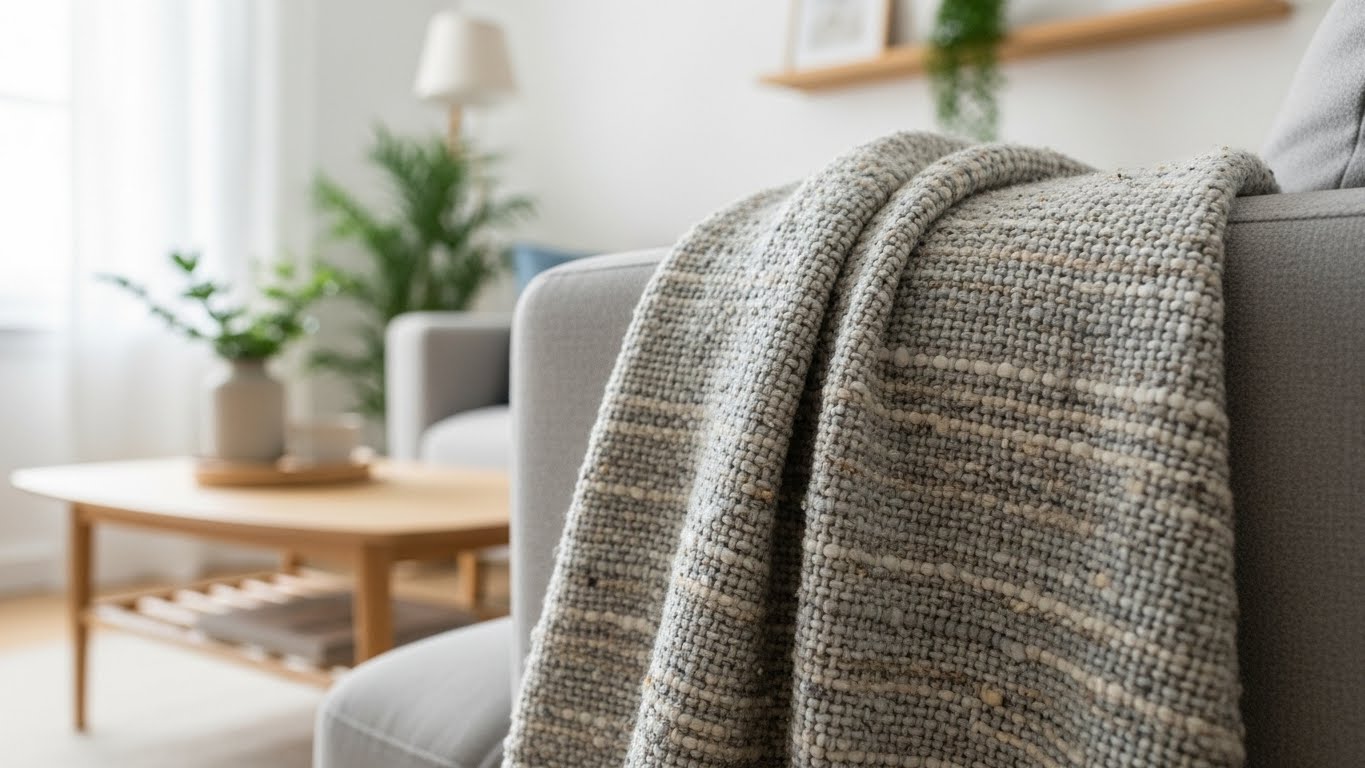 Upholstery Fabric Application
Apparel and Lifestyle Products
Recycled yarn is also used in:
- Night suits and loungewear
- Casual and basic garments
- Home clothing and comfort wear
These products prioritize comfort, affordability, and sustainability—qualities increasingly valued by consumers.
 Apparel and Nightwear
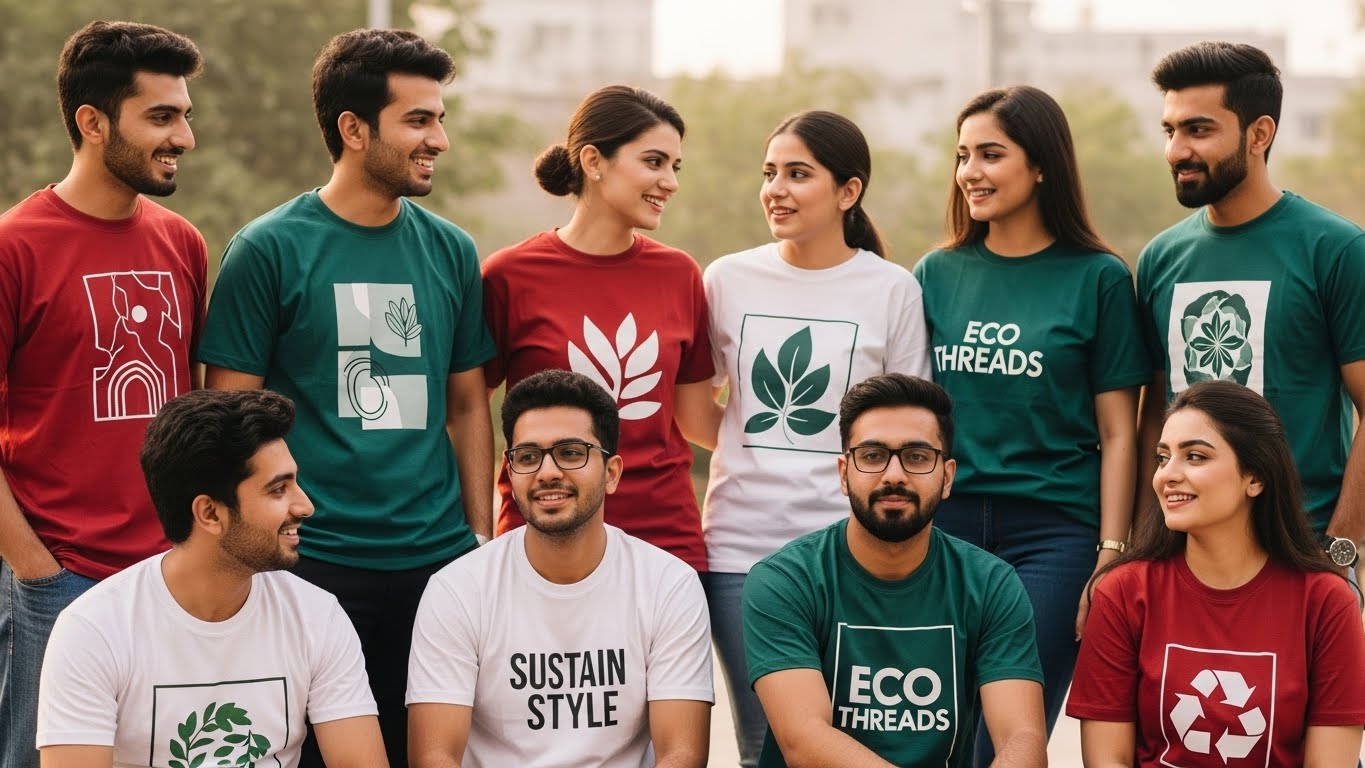 Apparel and T-Shirts
Craft, Small-Scale, and Design-Led Industries
Handloom, craft, and small-scale textile units also use recycled yarn for artisanal products, adding creative value while reducing waste.
Industries Using Recycled Yarn: The Role of Women in the Use and Value Chain of Production & Uses
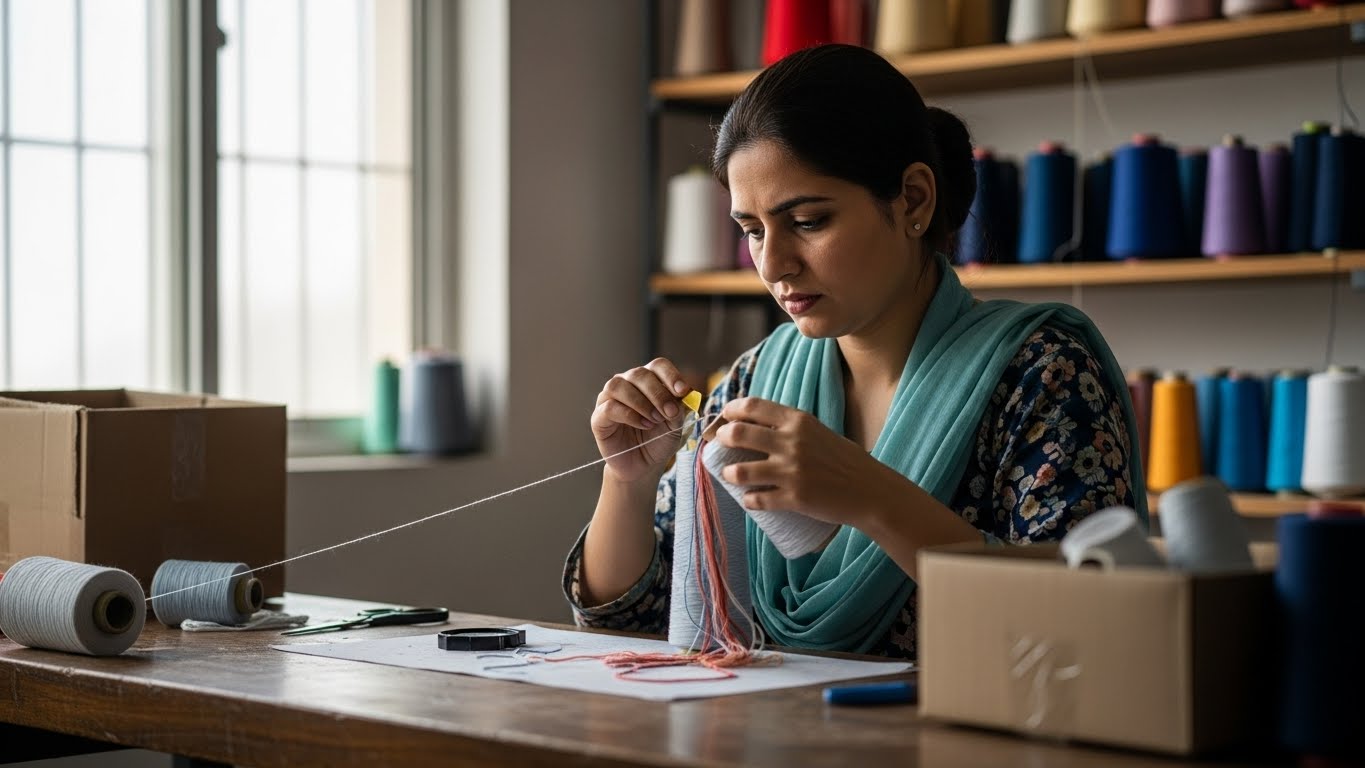
Women play a significant role in industries that utilize recycled yarn, particularly in areas such as home textiles, apparel production, design, quality control, and small-scale manufacturing. As primary users, designers, and decision-makers in these segments, women influence how recycled yarn is transformed into functional and aesthetic products.
In many textile clusters, women-led workshops and home-based units specialize in stitching, weaving, embroidery, and finishing using recycled yarn. Their expertise ensures that sustainability is paired with comfort, durability, and thoughtful design. By choosing recycled yarn, women-driven enterprises actively support environmentally responsible practices while creating products aligned with everyday needs.
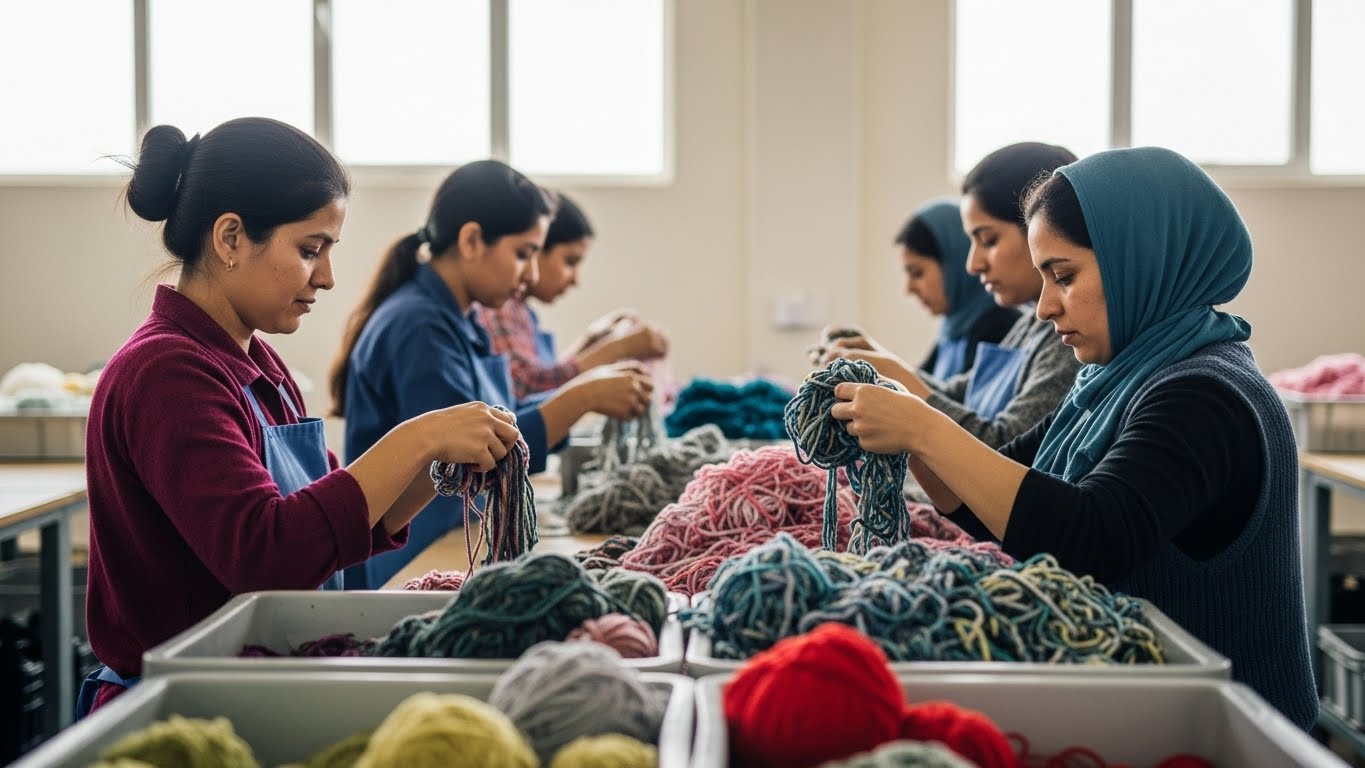 Women Sorting Yarn
 Quality Control - Woman Inspecting Yarn
Recycled Yarn Production And Applications: Conclusion
Recycled yarn represents a practical and forward-looking solution for today’s textile industry - one that combines environmental responsibility with real manufacturing value. Through careful collection of fabric cuttings, precise sorting, advanced re-spinning, and controlled dyeing processes, textile waste is transformed into versatile yarn suitable for upholstery, home textiles, and everyday apparel.
For stakeholders across the value chain, recycled yarn offers clear and measurable benefits:
- For brands and buyers: Access to sustainable yarn and products with traceable sourcing from Pakistan, supporting responsible product development and ESG goals.
- For mills, units, and workshops: An opportunity to convert local textile waste into value-added yarn, strengthen circular production, and remain competitive in sustainability-focused markets.
- For designers and learners: A real-world example of how sustainability, material science, and manufacturing intersect within the Pakistan's textile ecosystem.
- Home
- Products and Trades
- Recycled Yarn Production and Applications

Newsletter Opt-in
Recent Articles


-
Wood with Metal Inlay Work
Aug 15, 26 03:54 AM
 Wood with metal inlay work of Pakistan shows how tables, boxes and chess boards combine function and ornament for interiors, gifting and display.
 -
Bridal Dupatta of Pakistan: Craft and Elegance
Jul 23, 26 02:59 PM
 Bridal dupatta of Pakistan reflects intricate embroidery, rich fabrics, and traditional craftsmanship in elegant wedding attire.
 -
Jamawar Fabric of Pakistan: Woven Heritage and Timeless Design
Jun 17, 26 03:15 PM
 Jamawar fabric of Pakistan is known for intricate woven paisley motifs, rich textile heritage, and timeless elegance in shawls, garments, and décor.